ZZ Plant
Zamioculcas zamiifolia
The ZZ plant is a glossy, architectural survivor that thrives on neglect and low light, storing water in potato-like rhizomes.
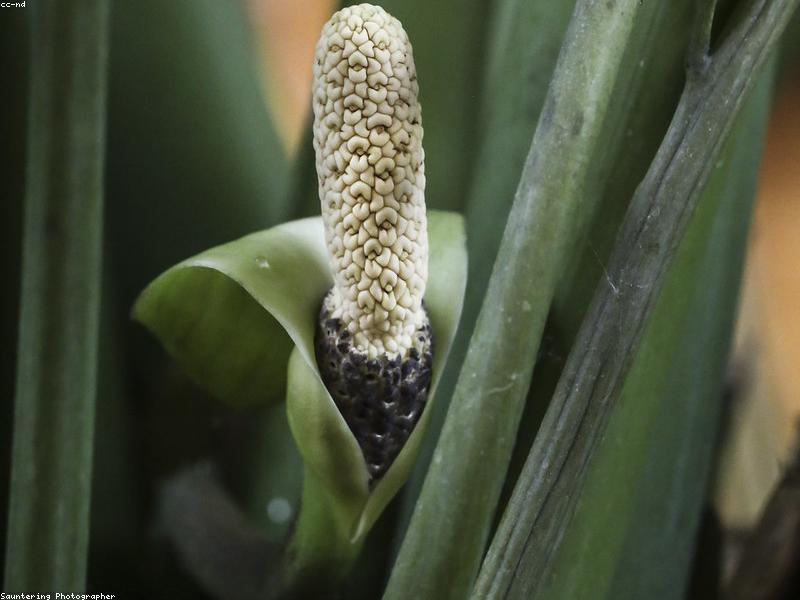
The ZZ Plant, scientifically known as Zamioculcas zamiifolia, is a resilient beauty that has captured the hearts of plant enthusiasts worldwide. With its glossy, dark green leaves that seem to shimmer in the light, this plant exudes a sense of elegance and tranquility. Known for its low maintenance and striking appearance, the ZZ Plant is a perfect choice for both seasoned gardeners and beginners alike, thriving in a variety of indoor environments.
Originating from the arid regions of Eastern Africa, the ZZ Plant has adapted to withstand drought, making it an ideal companion for those who may neglect watering duties. Its robust nature, coupled with an ability to purify the air, adds to its appeal as a decorative and functional houseplant. However, it is important to note that the ZZ Plant is toxic to cats, dogs, and humans due to the presence of insoluble calcium oxalates.
How to identify ZZ Plant
Look for these tell-tale features when identifying ZZ Plant (Zamioculcas zamiifolia).
- Glossy, dark green leaves that are waxy to the touch.
- Pinnate leaves with 6-8 pairs of leaflets per stem.
- Thick, fleshy stems that grow upright.
- New growth emerges as a bright lime green color.
- Rhizomatous root structure resembling potatoes.
ZZ Plant care guide
Everything ZZ Plant needs to thrive, at a glance.
Low to bright indirect light.
Water only when soil is fully dry, every 2–3 weeks.
Well-draining potting mix.
18–27°C (65–81°F).
Tolerates dry air.
Feed lightly a couple of times per year.
Watering
Water the ZZ Plant sparingly, allowing the soil to dry out completely between waterings. Overwatering can lead to root rot, which is one of the few threats to its well-being.
Light
ZZ Plants thrive in bright, indirect light but can tolerate low-light conditions. Avoid direct sunlight, which can scorch the leaves.
Soil & repotting
Use a well-draining potting mix, such as a cactus or succulent blend. Repot every 2-3 years to refresh the soil and accommodate growth.
Temperature & humidity
Prefers temperatures between 65-75°F (18-24°C) and can tolerate dry air, making it suitable for most indoor environments.
Feeding
Fertilize with a balanced liquid houseplant fertilizer every 6 months during the growing season to support healthy growth.
Pruning & grooming
Pruning is rarely needed but can be done to remove yellowing leaves or to shape the plant. Use clean, sharp scissors or pruning shears.
Is ZZ Plant toxic to pets?
Contains insoluble calcium oxalates that irritate the mouth and stomach; causes drooling and vomiting in pets and irritation in humans. Wash hands after handling.
Common ZZ Plant problems and fixes
Yellowing leaves.
Reduce watering frequency and ensure the plant is not sitting in water.
Leaf tips turning brown.
Increase humidity or check for over-fertilization.
Stunted growth.
Ensure adequate light and check for root-bound conditions.
Root rot.
Allow soil to dry out completely between waterings and repot in fresh, well-draining soil.
Pests like spider mites.
Wipe leaves with a damp cloth and use insecticidal soap if necessary.
How to propagate ZZ Plant
Propagating the ZZ Plant is a simple yet rewarding process. The most common method is through leaf cuttings. Gently remove a healthy leaf from the stem, ensuring you take a small portion of the petiole. Allow the cutting to dry for a day to callous over, then plant it in a well-draining soil mix. Water sparingly and place in bright, indirect light. Patience is key, as it can take several months for new rhizomes and roots to develop. Alternatively, division of the rhizomes during repotting is another effective propagation method.
ZZ Plant uses and benefits
The ZZ Plant is widely admired for its decorative appeal, with its lush foliage adding a touch of greenery to any indoor space. Beyond aesthetics, it is known for its air-purifying capabilities, helping to remove toxins such as xylene and toluene from the air. While it does not have culinary uses due to its toxicity, the ZZ Plant's hardy nature and low maintenance make it a popular choice for offices, homes, and public spaces.
Where ZZ Plant comes from
Native to the rugged terrains of Eastern Africa, the ZZ Plant has a rich history rooted in adaptation and survival. Known botanically as Zamioculcas zamiifolia, it thrives in the dry, rocky conditions of countries like Kenya and Tanzania. Its ability to store water in its rhizomes has allowed it to endure prolonged periods of drought in its native habitat. Introduced to the global market in the late 1990s, the ZZ Plant quickly gained popularity for its resilience and aesthetic appeal.
Pro growing tips
- Allow the soil to dry out completely before watering to prevent root rot.
- Place the plant in a well-lit area to encourage growth, but avoid direct sunlight.
- Use a cactus or succulent potting mix to ensure good drainage.
- Clean leaves regularly to prevent dust buildup and enhance photosynthesis.
- Repot every 2-3 years to refresh the soil and promote healthy growth.
Got a plant you can't name?
Snap a photo and identify it free in seconds — with a full care guide and toxicity check like this one.
Identify your plantZZ Plant FAQ
Get it on the go — the companion app
Identify plants offline, save your finds, and build a collection.