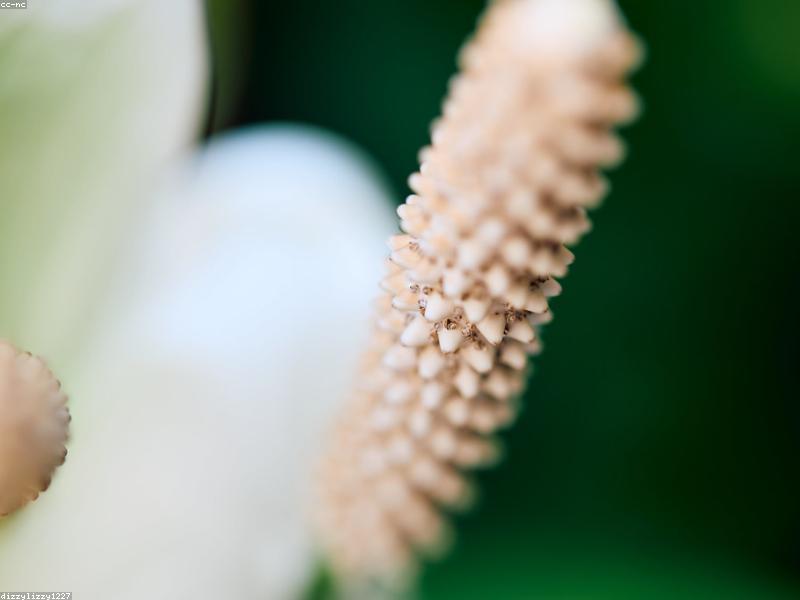
Pothos
Epipremnum aureum
Golden pothos, or devil’s ivy, is a trailing vine with heart-shaped, often variegated leaves. It is famously forgiving and one of the easiest houseplants to grow.

The Pothos, scientifically known as Epipremnum aureum, is a beloved houseplant renowned for its resilience and lush, trailing vines. Often adorning homes and offices, this plant is not only easy to care for but also adds a touch of verdant elegance to any space. Its heart-shaped leaves, often variegated with shades of green and yellow, create a visual symphony that enlivens interiors.
Beyond its aesthetic appeal, the Pothos is a champion for beginners due to its forgiving nature. It thrives in a variety of conditions, making it a perfect choice for those new to plant care. Whether cascading from a hanging basket or climbing up a trellis, the Pothos is a versatile plant that adapts beautifully to its environment, bringing life and fresh air to your living space.
How to identify Pothos
Look for these tell-tale features when identifying Pothos (Epipremnum aureum).
- Heart-shaped leaves with glossy, waxy surfaces
- Variegated foliage with green and yellow patterns
- Long, trailing vines that can grow several feet
- Aerial roots that develop at nodes along the stem
- Leaves typically 4-12 inches long, depending on maturity
Pothos care guide
Everything Pothos needs to thrive, at a glance.
Low to bright indirect light; more light means more variegation.
Water when the top few cm dry out, about weekly.
Standard well-draining potting mix.
18–29°C (65–84°F).
Adaptable; enjoys higher humidity.
Monthly balanced feed while actively growing.
Watering
Water your Pothos when the top inch of soil feels dry. Be cautious not to overwater as it prefers slightly dry conditions rather than soggy soil, which can lead to root rot.
Light
Pothos thrive in bright, indirect light but can also tolerate low light conditions. Avoid direct sunlight as it can scorch the leaves, leading to brown edges.
Soil & repotting
Plant your Pothos in a well-draining potting mix. Repot every 1-2 years or when roots start to outgrow the pot, using a container one size larger.
Temperature & humidity
Maintain a temperature range of 65-85°F (18-29°C) and average humidity. While Pothos can tolerate lower humidity, misting occasionally can benefit the plant.
Feeding
Feed your Pothos with a balanced liquid fertilizer every 4-6 weeks during the growing season (spring and summer). Reduce feeding in fall and winter.
Pruning & grooming
Regularly prune your Pothos to encourage bushier growth and remove any yellowing or damaged leaves. Trim back long vines to maintain desired shape.
Is Pothos toxic to pets?
Contains insoluble calcium oxalates. Causes oral irritation, drooling, and vomiting in pets and mouth/throat irritation in humans if chewed.
Common Pothos problems and fixes
Yellowing leaves
Check for overwatering and adjust watering schedule. Ensure the pot has proper drainage.
Brown leaf tips
Increase humidity by misting the leaves or placing a humidifier nearby.
Leggy growth
Provide more indirect light and prune back stems to encourage fuller growth.
Leaf drop
Ensure consistent watering and avoid letting the plant dry out completely.
Pest infestation (e.g., spider mites)
Wipe leaves with a damp cloth and use insecticidal soap if necessary.
How to propagate Pothos
Propagating Pothos is a straightforward process that involves taking stem cuttings. Select a healthy vine and cut a section just below a node, ensuring it has at least two leaves. Place the cutting in water, ensuring the node is submerged. Change the water weekly to keep it fresh. Roots will begin to form within a few weeks, and once they are about an inch long, you can plant the cutting in soil. This method not only allows you to multiply your Pothos but also provides an opportunity to share this delightful plant with friends and family.
Pothos uses and benefits
Pothos are primarily grown for their decorative appeal, with their lush foliage adding vibrancy to indoor spaces. They are also known for their air-purifying qualities, removing toxins such as formaldehyde and benzene from the air. While not suitable for culinary uses due to their toxicity, Pothos are excellent at creating a serene atmosphere and are often used in feng shui to bring positive energy into a home. Their hardy nature makes them ideal for offices and public spaces, where they can thrive with minimal care.
Where Pothos comes from
Native to the tropical forests of Southeast Asia, Epipremnum aureum has made its way into homes worldwide due to its adaptability and beauty. In its natural habitat, it grows as a ground cover and climbs trees, reaching impressive heights. The plant was first described in 1880, and its popularity has only grown since then, becoming a staple in the houseplant community. Known by various names, including Devil's Ivy and Golden Pothos, it symbolizes perseverance and abundance.
Pro growing tips
- Rotate your plant regularly to ensure even growth on all sides.
- Use a moss pole to support climbing and encourage larger leaves.
- Wipe leaves with a damp cloth to keep them dust-free and healthy.
- Allow the soil to dry out between waterings to prevent root rot.
- Avoid placing in cold drafts to prevent stress and leaf damage.
Got a plant you can't name?
Snap a photo and identify it free in seconds — with a full care guide and toxicity check like this one.
Identify your plantPothos FAQ
Get it on the go — the companion app
Identify plants offline, save your finds, and build a collection.