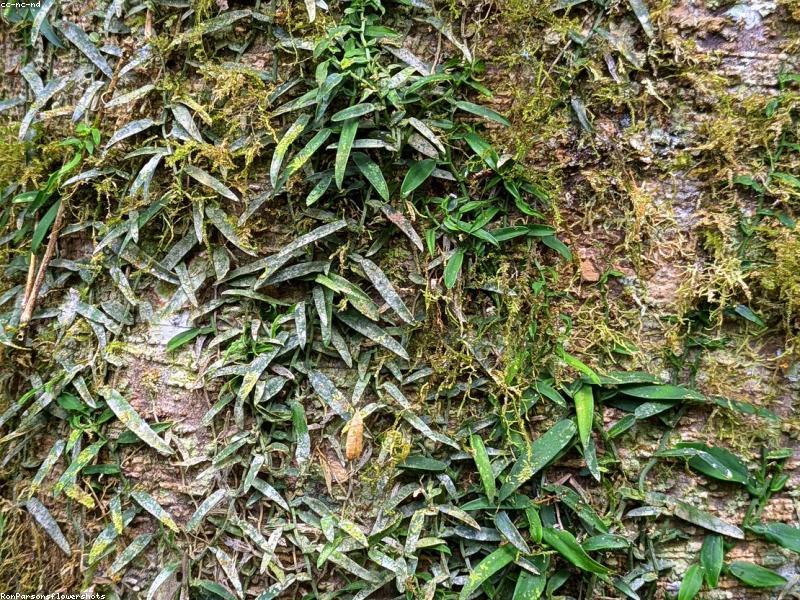
Peace Lily
Spathiphyllum wallisii
The peace lily is a graceful evergreen with glossy leaves and elegant white spathes. It signals its needs clearly — drooping when thirsty and perking up after watering.
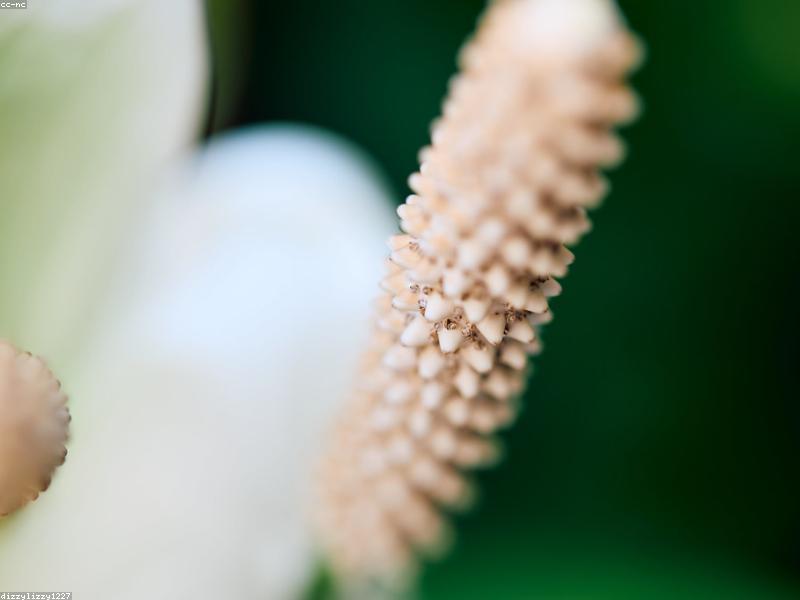
The Peace Lily (Spathiphyllum wallisii) is a beloved houseplant, adored for its lush green leaves and striking white blooms that resemble a calla lily. This plant is not just a feast for the eyes; it's a natural air purifier, known for its ability to remove toxins from the air. Its serene appearance and low-maintenance nature make it a favorite among both novice and seasoned plant enthusiasts. However, it's important to handle it with care, as it contains insoluble calcium oxalates which are toxic if ingested by pets or humans.
While the Peace Lily thrives indoors, it originates from the tropical rainforests of the Americas, where it flourishes in the warm, humid understory. Its resilience and adaptability have made it a staple in homes and offices worldwide, bringing a touch of the tropics into our living spaces. With the right conditions, this plant can bloom throughout the year, offering continuous beauty and a sense of tranquility.
How to identify Peace Lily
Look for these tell-tale features when identifying Peace Lily (Spathiphyllum wallisii).
- Glossy, dark green leaves that are lance-shaped and arch gracefully.
- White, hood-like flowers called spathes that surround a spadix, typically blooming in spring and summer.
- Leaves grow from a central point, forming a lush, bushy appearance.
- The plant can reach up to 2-3 feet in height, creating an impressive indoor feature.
- Veins on the leaves are prominent, adding texture and depth.
Peace Lily care guide
Everything Peace Lily needs to thrive, at a glance.
Low to medium indirect light; avoid direct sun.
Keep evenly moist; water when leaves begin to droop slightly.
Rich, well-draining peat-based mix.
18–27°C (65–81°F).
Loves high humidity; mist or use a pebble tray.
Feed every 6–8 weeks in spring and summer.
Watering
Water the Peace Lily when the top inch of soil feels dry. Overwatering can lead to root rot, so ensure the pot has good drainage.
Light
Prefers bright, indirect light but can tolerate low light. Avoid direct sunlight as it can scorch the leaves.
Soil & repotting
Use a well-draining, peat-based potting mix. Repot every 1-2 years to refresh the soil and accommodate growth.
Temperature & humidity
Thrives in temperatures between 65-85°F and appreciates high humidity. Avoid cold drafts and sudden temperature changes.
Feeding
Fertilize with a balanced, water-soluble fertilizer every 6-8 weeks during the growing season (spring and summer).
Pruning & grooming
Prune dead or yellowing leaves to encourage new growth and maintain the plant's appearance. Trim spent flowers to promote further blooming.
Is Peace Lily toxic to pets?
Contains insoluble calcium oxalate crystals causing intense oral irritation, drooling, and vomiting in pets, and burning of the mouth and throat in humans.
Common Peace Lily problems and fixes
Leaves turning yellow
Check for overwatering and ensure proper drainage. Adjust watering schedule accordingly.
Brown leaf tips
Increase humidity and ensure the plant is not exposed to direct sunlight. Adjust watering if necessary.
No blooms
Provide more light and ensure the plant is receiving adequate nutrients during the growing season.
Drooping leaves
Check soil moisture; the plant may be thirsty. Water thoroughly and allow excess to drain.
Pest infestation (e.g., spider mites)
Wipe leaves with a damp cloth and use insecticidal soap if necessary.
How to propagate Peace Lily
Peace Lilies are best propagated by division. During repotting, gently separate the plant into smaller sections, ensuring each division has a good root system and several leaves. Plant each division in its own pot with fresh potting mix. Water thoroughly and keep the new plants in a warm, humid environment until they establish themselves. This method is usually successful and helps maintain the plant's health and vigor.
Peace Lily uses and benefits
Beyond its aesthetic appeal, the Peace Lily is celebrated for its air-purifying qualities, effectively removing toxins like formaldehyde and benzene from the air. This makes it an excellent choice for improving indoor air quality. Symbolically, the Peace Lily represents peace, purity, and healing, often given as a gesture of sympathy or goodwill. Its lush foliage and elegant flowers make it a versatile decorative element in both homes and office spaces.
Where Peace Lily comes from
The Peace Lily is native to the tropical regions of Central and South America, where it thrives in the warm, humid understory of rainforests. Discovered by botanists in the 19th century, it was introduced to Europe and North America as an ornamental plant, quickly gaining popularity due to its striking beauty and easy care. Over the years, it has become a symbol of tranquility and resilience, often used in floral arrangements and indoor gardens.
Pro growing tips
- Mist regularly to maintain humidity, especially in dry environments.
- Use distilled or rainwater to avoid mineral build-up on leaves.
- Rotate the plant occasionally to ensure even growth and light exposure.
- Inspect regularly for pests and treat promptly to prevent infestations.
- Keep away from cold drafts and sudden temperature changes for optimal health.
Got a plant you can't name?
Snap a photo and identify it free in seconds — with a full care guide and toxicity check like this one.
Identify your plantPeace Lily FAQ
Get it on the go — the companion app
Identify plants offline, save your finds, and build a collection.