Tulip
Tulipa
Tulips are spring-flowering bulbs with elegant cup-shaped blooms in a dazzling range of colors. They are a signature of cottage gardens and Dutch flower fields.
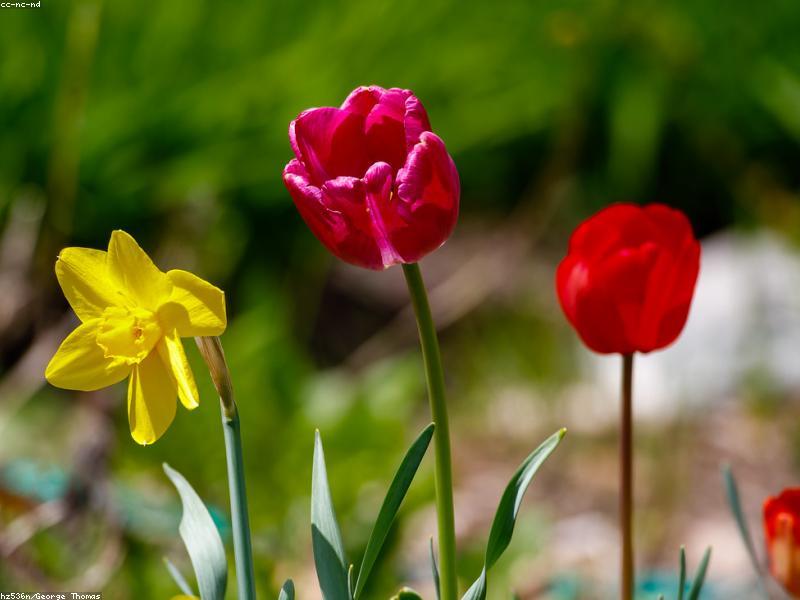
Tulips, or Tulipa, are the quintessential heralds of spring, gracing gardens with their vibrant colors and elegant forms. Native to the mountainous regions of Central Asia, these perennials have captivated gardeners and florists alike for centuries. Their striking simplicity and vivid palette, ranging from bold reds to soft purples and radiant yellows, make them a favorite in flowerbeds and bouquets alike. As they sway gently in the breeze, tulips seem to whisper tales of renewal and hope.
Despite their delicate appearance, tulips are relatively easy to grow, making them an excellent choice for both novice gardeners and seasoned horticulturists. However, it is essential to handle them with care, especially if you have pets. The tulip bulb contains tulipalin, which is toxic to cats and dogs, posing a risk if ingested. With the right care, tulips can bring a splash of color and elegance to any landscape or indoor setting.
How to identify Tulip
Look for these tell-tale features when identifying Tulip (Tulipa).
- Smooth, elongated leaves that are often bluish-green in color.
- Cup-shaped flowers that come in a wide range of colors such as red, yellow, pink, and white.
- Sturdy, upright stems that can grow between 4 to 28 inches tall, depending on the variety.
- A single flower per stem, typically with six petal-like tepals.
- Bulbs are rounded and covered with a papery, brown tunic.
Tulip care guide
Everything Tulip needs to thrive, at a glance.
Full to partial sun.
Moderate; keep soil moist but never waterlogged.
Well-draining, sandy soil.
Cool; bulbs need a winter chilling period.
Moderate.
Feed at planting and as shoots emerge.
Watering
Tulips require moderate watering. Water them deeply once a week, ensuring the soil is well-drained to prevent bulb rot.
Light
Tulips thrive in full sun, needing at least 6 hours of direct sunlight daily to bloom profusely.
Soil & repotting
Plant tulip bulbs in well-drained soil rich in organic matter. Avoid waterlogged areas to prevent disease.
Temperature & humidity
Tulips prefer cool climates, ideally between 60-68°F during the day. They require a cold period to bloom well.
Feeding
Feed tulips with a balanced fertilizer in early spring to support healthy growth and vibrant blooms.
Pruning & grooming
Deadhead spent flowers to prevent seed formation, which can sap energy from the bulbs.
Is Tulip toxic to pets?
Tulip bulbs contain allergenic glycosides (tulipalin A and B) that are toxic to cats and dogs, causing drooling, vomiting, and diarrhea. The bulb is the most dangerous part; keep pets from digging.
Common Tulip problems and fixes
Bulb rot
Ensure soil has excellent drainage and avoid overwatering.
Aphids
Spray with a mild insecticidal soap or introduce beneficial insects like ladybugs.
Fungal diseases
Use a fungicide and ensure good air circulation around the plants.
Poor flowering
Ensure bulbs are planted in a sunny location and consider adding phosphorus-rich fertilizer.
Slugs and snails
Use slug bait or create barriers with crushed eggshells around plants.
How to propagate Tulip
Tulips are primarily propagated through their bulbs. To propagate, dig up the bulbs after the foliage has died back in late spring or early summer. Allow the bulbs to dry in a shaded area for a few days. Separate any offsets or smaller bulbs from the main bulb, as these can be planted to grow new plants. Replant the bulbs in the fall, about 6-8 inches deep and 4-6 inches apart, with the pointed end facing upwards. This ensures they have the necessary cold period to trigger blooming in the spring.
Tulip uses and benefits
Tulips are primarily valued for their ornamental beauty, bringing a burst of color to gardens, parks, and homes. They are also popular in floral arrangements and as cut flowers, symbolizing perfect love and elegance. While not known for air-purifying properties, their aesthetic appeal contributes to mental well-being and the beautification of environments. In some cultures, tulips are used in culinary applications, such as garnishes or decorative elements in dishes, although this is less common.
Where Tulip comes from
Tulips are native to the mountainous regions of Central Asia, particularly Kazakhstan and surrounding areas. They were first cultivated by the Turks in the Ottoman Empire and later introduced to Europe in the 16th century. The flower quickly gained popularity, particularly in the Netherlands, leading to "Tulip Mania" in the 17th century, where tulip bulbs were traded at extraordinarily high prices. Today, the Netherlands remains a major producer of tulips, exporting them worldwide.
Pro growing tips
- Plant bulbs in the fall to ensure spring blooms.
- Ensure good drainage to prevent bulb rot.
- Choose a sunny location for optimal growth and flowering.
- Apply mulch to protect bulbs from extreme cold.
- Rotate tulip planting areas every few years to prevent disease.
Got a plant you can't name?
Snap a photo and identify it free in seconds — with a full care guide and toxicity check like this one.
Identify your plantTulip FAQ
Get it on the go — the companion app
Identify plants offline, save your finds, and build a collection.