Snake Plant
Dracaena trifasciata
Also called mother-in-law’s tongue, the snake plant is an almost indestructible succulent with stiff, upright, sword-like leaves banded in green and yellow. It thrives on neglect.

The Snake Plant, scientifically known as Dracaena trifasciata, is a striking addition to any indoor garden, often admired for its architectural form. Its sword-like leaves, adorned with green and yellow variegations, reach skyward as if defying gravity. This hardy plant has earned a reputation for being nearly indestructible, making it a favorite among both novice and experienced gardeners. Beyond its aesthetic appeal, the Snake Plant is cherished for its ability to purify the air, converting carbon dioxide into oxygen at night, a rare trait among houseplants.
Originating from the tropical regions of West Africa, the Snake Plant has seamlessly transitioned from wild landscapes to our homes, embodying elegance and resilience. Its robust nature and minimal care requirements make it a perfect choice for those who desire beauty without the burden of high maintenance. With its timeless charm and functional benefits, the Snake Plant stands as a testament to nature's ability to blend utility with grace.
How to identify Snake Plant
Look for these tell-tale features when identifying Snake Plant (Dracaena trifasciata).
- Long, sword-shaped leaves that grow upright.
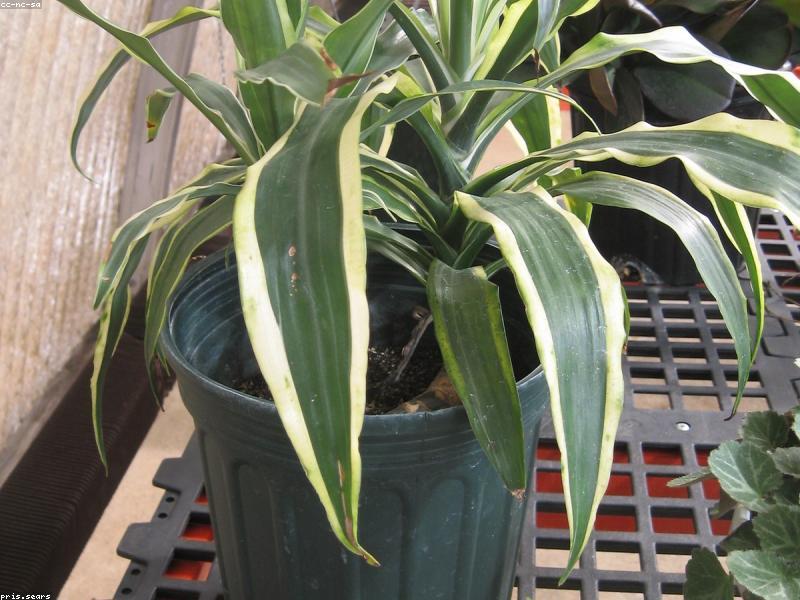
- Dark green leaves with lighter green horizontal stripes.
- Yellow or white edges on some leaf varieties.
- Leaves can grow up to 3 feet tall indoors.
- Rosette pattern of leaves emerging from the base.
Snake Plant care guide
Everything Snake Plant needs to thrive, at a glance.
Tolerates low light but grows best in medium to bright indirect light.
Water sparingly; let soil dry completely, every 2–3 weeks.
Fast-draining cactus or succulent mix.
18–27°C (65–81°F).
Any household level; prefers dry air.
Feed lightly once or twice in the growing season.
Watering
Water your Snake Plant sparingly, allowing the soil to dry out completely between waterings. Overwatering can lead to root rot, so it's best to err on the side of underwatering.
Light
This plant thrives in indirect light but can tolerate low-light conditions. Avoid placing it in direct sunlight, which can scorch the leaves.
Soil & repotting
Use a well-draining cactus or succulent potting mix. Repot every 2-3 years or when the plant becomes root-bound, ideally in spring.
Temperature & humidity
Snake Plants prefer temperatures between 60°F and 75°F. They tolerate dry air well but benefit from occasional misting in very dry climates.
Feeding
Fertilize sparingly with a balanced houseplant fertilizer during the growing season, once every 1-2 months. Avoid fertilizing in the winter.
Pruning & grooming
Prune dead or damaged leaves at the base. This encourages new growth and maintains the plant's tidy appearance.
Is Snake Plant toxic to pets?
Contains saponins that are toxic to cats and dogs, causing nausea, vomiting, and diarrhea if eaten. Considered only mildly problematic for humans.
Common Snake Plant problems and fixes
Root rot from overwatering.
Allow soil to dry out completely and adjust watering schedule.
Brown tips on leaves.
Increase humidity and ensure the plant isn't in direct sunlight.
Leaves falling over.
Check for root rot or pest infestation and ensure sufficient light.
Pest infestation (mealybugs, spider mites).
Wipe leaves with insecticidal soap or neem oil.
Slow growth.
Ensure adequate light and proper feeding during the growing season.
How to propagate Snake Plant
Propagating a Snake Plant is a straightforward process that can be achieved through leaf cuttings or division. For leaf cuttings, select a healthy leaf and cut it into sections, allowing the cuts to dry and callous for a day or two. Plant the sections in a well-draining potting mix, ensuring the cut end is buried. Water sparingly until new growth is visible. Alternatively, division involves separating the plant at the root level. Gently remove the plant from its pot, identify sections with their own root systems, and pot them individually. Both methods are best done during the growing season when the plant is actively developing.
Snake Plant uses and benefits
The Snake Plant is celebrated not only for its decorative appeal but also for its air-purifying capabilities. It efficiently removes toxins such as formaldehyde and benzene from the air, contributing to a healthier indoor environment. Additionally, its ability to convert carbon dioxide into oxygen at night makes it an excellent choice for bedrooms. Symbolically, it is associated with good luck and protection in various cultures, often used in feng shui to ward off negative energy.
Where Snake Plant comes from
Dracaena trifasciata, commonly known as the Snake Plant, hails from the rocky terrains of West Africa, specifically Nigeria and the Congo. Over centuries, it has been cultivated worldwide, appreciated for its resilience and low maintenance requirements. In its native habitat, it thrives in arid conditions, which has contributed to its adaptability as a houseplant. The plant's historical significance is evident in its various names, including 'Mother-in-Law's Tongue,' a nod to its sharp, pointed leaves.
Pro growing tips
- Allow the soil to dry out completely between waterings to prevent root rot.
- Place in a spot with indirect sunlight for optimal growth.
- Use a cactus soil mix for better drainage.
- Prune dead leaves to encourage new growth.
- Repot every few years to accommodate root growth.
Got a plant you can't name?
Snap a photo and identify it free in seconds — with a full care guide and toxicity check like this one.
Identify your plantSnake Plant FAQ
Get it on the go — the companion app
Identify plants offline, save your finds, and build a collection.