Lily
Lilium
True lilies are dramatic, often fragrant bulb flowers with large trumpet or star-shaped blooms on tall stems. They are stunning garden plants but demand a serious pet-safety warning.
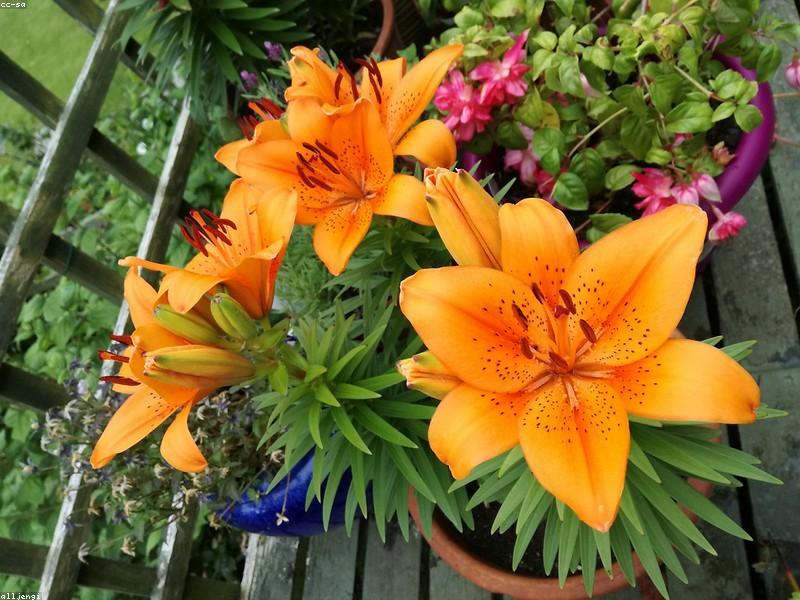
The lily, a member of the genus Lilium, is a captivating flower that has graced gardens and homes with its elegance for centuries. Known for their towering stems and trumpet-shaped blooms, lilies are a symbol of purity and refined beauty. With an array of colors ranging from pristine whites to vivid oranges and deep reds, these flowers can transform any garden into a vibrant masterpiece. Their intoxicating fragrance is an added allure, making them a favorite for bouquets and floral arrangements.
However, while lilies are adored for their beauty, they require careful handling, especially around pets. True lilies are extremely toxic to cats, posing a severe risk of fatal kidney failure even from a small nibble. Dogs, too, can experience mild toxicity. Thus, it's crucial for pet owners to be vigilant when cultivating lilies in their homes or gardens.
How to identify Lily
Look for these tell-tale features when identifying Lily (Lilium).
- Large, trumpet-shaped flowers with six petal-like tepals.
- Leaves are narrow, lanceolate, and arranged in a whorled manner along the stem.
- Stems are tall and erect, often reaching up to 6 feet in height.
- Flowers can be white, pink, red, orange, yellow, or even spotted.
- Fragrant blooms, often with a strong, sweet scent.
Lily care guide
Everything Lily needs to thrive, at a glance.
Full sun to partial shade.
Moderate; keep roots cool and evenly moist.
Rich, well-draining soil.
Temperate.
Moderate.
Feed in spring as growth emerges.
Watering
Lilies prefer consistent moisture, so water them regularly, especially during dry periods. Ensure the soil is well-drained to prevent waterlogging, which can cause root rot.
Light
Lilies thrive in full sun but can tolerate partial shade. Aim for at least 6 hours of sunlight daily for optimal bloom production.
Soil & repotting
Plant lilies in well-draining, slightly acidic to neutral soil. If growing in containers, repot every few years to refresh the soil and accommodate the growing bulbs.
Temperature & humidity
They prefer moderate climates, with temperatures ranging from 60-75°F. Lilies are generally hardy but appreciate protection from extreme heat or cold.
Feeding
Fertilize lilies with a balanced, slow-release fertilizer in early spring and again mid-summer to support robust growth and flowering.
Pruning & grooming
Remove spent blooms promptly to encourage further blooming and prevent seed formation. Cut back stems in the fall after the foliage has yellowed.
Is Lily toxic to pets?
CRITICAL: true lilies (Lilium) and daylilies are extremely toxic to cats. Even tiny amounts of petals, leaves, pollen, or vase water can cause fatal kidney failure. Keep them entirely away from cats and see a vet immediately if ingested. They are also mildly toxic to dogs.
Common Lily problems and fixes
Aphids
Spray with insecticidal soap or neem oil to manage infestations.
Gray mold (Botrytis blight)
Ensure good air circulation and remove affected parts immediately.
Bulb rot
Plant in well-draining soil and avoid overwatering.
Leaf scorch
Provide shade during the hottest part of the day and maintain consistent watering.
Red lily beetle
Handpick beetles and larvae or use a targeted insecticide.
How to propagate Lily
Lilies can be propagated through bulb division or scaling. In the fall, after the foliage has died back, carefully dig up the bulbs and separate any offsets. Replant the offsets in a well-prepared bed to grow new plants. Scaling involves removing a few outer scales from a healthy bulb, dusting them with a fungicide, and placing them in a plastic bag with a damp medium like perlite or peat moss. Store in a warm, dark place until bulblets form at the base of each scale, then plant them in pots until large enough to transfer to the garden.
Lily uses and benefits
Lilies are primarily grown for their ornamental value, bringing elegance and fragrance to gardens and floral arrangements. Symbolically, they are associated with purity and renewal, often used in weddings and religious ceremonies. While some species' bulbs are edible and used in traditional dishes in Asia, caution is advised due to the risk of toxicity. In gardens, lilies attract pollinators like bees and butterflies, contributing to a healthy ecosystem.
Where Lily comes from
Lilies are native to the temperate regions of the Northern Hemisphere, including parts of Europe, Asia, and North America. They have been cultivated for over 3,000 years, with historical records indicating their use in ancient Greek and Roman cultures. The Madonna lily (Lilium candidum) is one of the oldest cultivated lilies, revered for its beauty and symbolic significance. Over time, hybridization has expanded the variety of colors and forms available, making lilies a versatile choice for gardeners worldwide.
Pro growing tips
- Plant bulbs in the fall or early spring for best results.
- Space bulbs 8-12 inches apart to allow for growth and air circulation.
- Mulch around plants to conserve moisture and suppress weeds.
- Stake tall varieties to prevent wind damage.
- Deadhead regularly to promote continuous blooming.
Got a plant you can't name?
Snap a photo and identify it free in seconds — with a full care guide and toxicity check like this one.
Identify your plantLily FAQ
Get it on the go — the companion app
Identify plants offline, save your finds, and build a collection.