Sunflower
Helianthus annuus
The sunflower is a fast-growing annual famous for its towering stalk and enormous golden flower head. That head is actually hundreds of tiny flowers packed together.

The sunflower, known scientifically as Helianthus annuus, stands as a towering beacon of summer, its golden visage turning to follow the sun's arc across the sky. With its radiant blooms and sturdy stalks, the sunflower is both a gardener's delight and an artist's muse, capturing the essence of warmth and vitality. More than just a pretty face, these plants are a symbol of adoration and loyalty, mirroring the sun's steadfast journey.
Beyond their aesthetic appeal, sunflowers are remarkably versatile, serving as a source of nourishment and shelter in gardens around the world. Their seeds, rich in nutrients, are a favorite among both humans and wildlife, while the plants themselves contribute to soil health with their deep, fibrous roots. Whether you're an aspiring botanist or a seasoned gardener, the sunflower offers a wealth of beauty and utility.
How to identify Sunflower
Look for these tell-tale features when identifying Sunflower (Helianthus annuus).
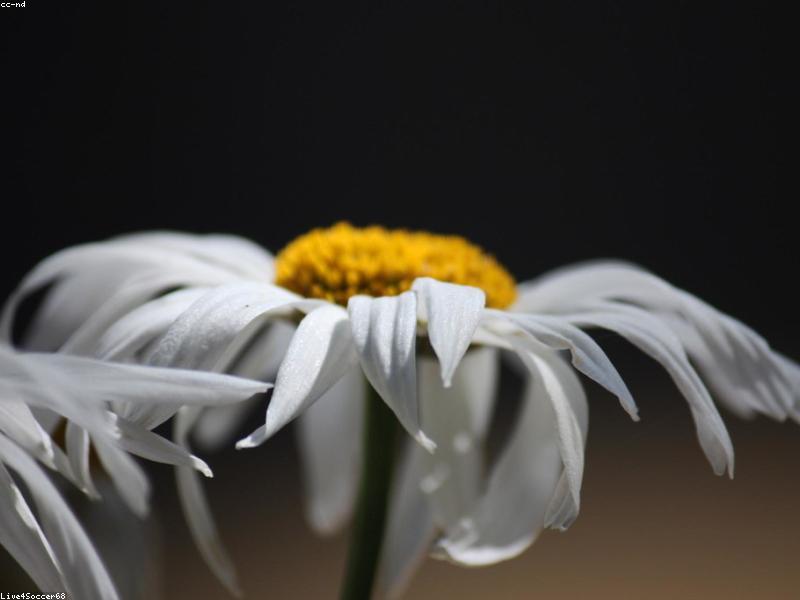
- Bright yellow petals surrounding a dark brown or black central disk.
- Tall, sturdy stalks that can reach heights of 3 to 10 feet.
- Large, broad leaves with a rough, hairy texture.
- Petals that often number between 20 to 40, radiating outward like sun rays.
- Seeds are encased in a hard shell, typically black or striped.
Sunflower care guide
Everything Sunflower needs to thrive, at a glance.
Full sun all day.
Water regularly and deeply, especially while establishing.
Well-draining soil; tolerates poor ground.
Warm season; frost-tender.
Moderate.
Light feeding; too much nitrogen delays flowering.
Watering
Sunflowers require consistent watering, especially during dry spells, to support their rapid growth. Ensure the soil is moist but not waterlogged, as overwatering can lead to root rot.
Light
These sun-loving plants thrive in full sun, needing at least 6 to 8 hours of direct sunlight daily to achieve their full potential.
Soil & repotting
Well-draining, nutrient-rich soil is ideal for sunflowers. Amend the soil with compost before planting, and avoid repotting mature plants due to their extensive root systems.
Temperature & humidity
Sunflowers prefer warm temperatures and moderate humidity. They are tolerant of heat but can struggle in cold, frost-prone environments.
Feeding
Feed sunflowers with a balanced fertilizer every few weeks during the growing season to support their rapid growth and flower production.
Pruning & grooming
Pruning is generally unnecessary, but you can deadhead spent flowers to encourage more blooms and tidy the plant's appearance.
Is Sunflower toxic to pets?
Sunflowers are non-toxic to cats and dogs and their seeds are widely eaten by people and wildlife.
Common Sunflower problems and fixes
Pests like aphids and caterpillars.
Spray with insecticidal soap or introduce beneficial insects like ladybugs.
Powdery mildew on leaves.
Improve air circulation and apply fungicidal spray as needed.
Wilting due to overwatering.
Ensure proper drainage and allow soil to dry between waterings.
Stunted growth from nutrient deficiency.
Apply a balanced fertilizer regularly to improve soil fertility.
Birds eating seeds before harvest.
Cover heads with netting or paper bags as seeds mature.
How to propagate Sunflower
Sunflowers are most commonly propagated from seed, a process that is both simple and rewarding. Begin by selecting a sunny site with well-draining soil, and sow seeds directly outdoors after the last frost has passed. Plant seeds about 1 inch deep and 6 inches apart, thinning them to about 12 inches apart once seedlings are established. Water regularly to keep the soil moist, and expect germination within 7 to 10 days. For a continuous display of blooms, plant seeds in succession every two weeks.
Sunflower uses and benefits
Sunflowers are not only a striking garden feature but also serve numerous purposes. Their seeds are harvested for snacks and oil, rich in healthy fats and nutrients. In the garden, they attract pollinators like bees and butterflies, enhancing biodiversity. Symbolically, sunflowers represent adoration and loyalty, making them a popular choice in bouquets and floral arrangements. Additionally, they have phytoremediation properties, helping to detoxify soil by absorbing heavy metals.
Where Sunflower comes from
Native to North America, Helianthus annuus has a rich history dating back thousands of years. Indigenous peoples cultivated sunflowers for food, oil, and dye, recognizing their agricultural and cultural significance. Spanish explorers later introduced them to Europe, where they gained popularity for their striking appearance and practical uses. Today, sunflowers are grown worldwide, celebrated for their beauty and versatility in both domestic and commercial applications.
Pro growing tips
- Plant sunflowers in a location that receives full sun for optimal growth.
- Space seeds adequately to prevent overcrowding and ensure robust plants.
- Use mulch to retain soil moisture and suppress weeds around the base of the plants.
- Stagger planting times to enjoy a longer blooming season.
- Harvest seeds once the back of the flower head turns brown, indicating maturity.
Got a plant you can't name?
Snap a photo and identify it free in seconds — with a full care guide and toxicity check like this one.
Identify your plantSunflower FAQ
Get it on the go — the companion app
Identify plants offline, save your finds, and build a collection.