Dandelion
Taraxacum officinale
The dandelion is a hardy, sunny-flowered perennial usually treated as a weed, yet it is entirely edible and an important early food source for pollinators.
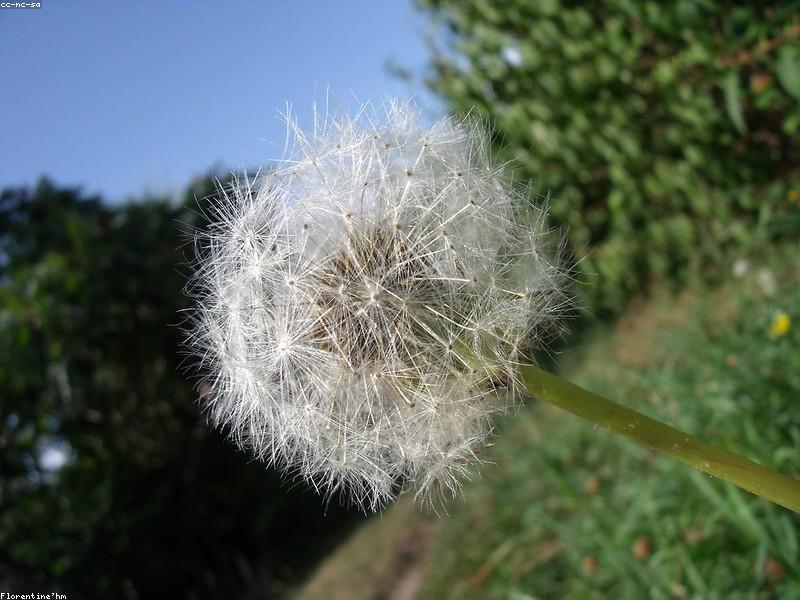
The dandelion, known scientifically as Taraxacum officinale, is more than just a ubiquitous weed; it's a vibrant symbol of resilience and transformation. With its sunny yellow blooms and whimsical seed heads, the dandelion is a familiar sight across fields and lawns. This hardy perennial plant is cherished for its medicinal properties, edible leaves, and roots, making it a beloved addition to herbal gardens and kitchens alike.
Beyond its beauty and utility, the dandelion is a master of survival, thriving in diverse environments. Its deep taproot allows it to access nutrients from deep within the soil, contributing to its reputation as a tenacious plant. Whether you're a gardener, herbalist, or simply a lover of nature's wonders, the dandelion offers an array of benefits that make it worthy of admiration and cultivation.
How to identify Dandelion
Look for these tell-tale features when identifying Dandelion (Taraxacum officinale).
- Bright yellow flowers about 1-2 inches in diameter.
- Deeply toothed, lance-shaped green leaves forming a basal rosette.
- Hollow, leafless stems that exude a milky latex when broken.
- Puffball seed heads that disperse seeds via wind.
- Long, thick taproot that anchors the plant deeply in the soil.
Dandelion care guide
Everything Dandelion needs to thrive, at a glance.
Full sun.
Minimal; extremely drought tolerant.
Grows in almost any soil.
Tolerates a very wide range.
Any.
None needed.
Watering
Dandelions are drought-tolerant and require minimal watering once established. Water young plants regularly until they develop strong roots.
Light
They thrive in full sun but can tolerate partial shade, making them versatile for various garden spots.
Soil & repotting
Dandelions prefer well-drained, moderately fertile soil but can adapt to a range of soil types. They do not require repotting as they are typically grown directly in the ground.
Temperature & humidity
These plants are hardy and can grow in a wide range of temperatures, from cool to warm climates. They do not have specific humidity requirements.
Feeding
Dandelions do not require fertilization, but a light application of compost in the spring can support growth.
Pruning & grooming
Prune flower heads before they go to seed if you want to control their spread. Remove any damaged leaves to encourage healthy growth.
Is Dandelion toxic to pets?
Dandelions are non-toxic and, in fact, edible for humans and generally safe for pets. Leaves, flowers, and roots are all used in foods, salads, and teas.
Common Dandelion problems and fixes
Overgrowth in lawns and gardens.
Regularly mow or hand-pull dandelions to keep their spread in check.
Powdery mildew on leaves.
Ensure good air circulation around the plants and avoid overhead watering.
Root rot in poorly drained soils.
Improve drainage with organic matter or relocate to a better-draining area.
Aphid infestation.
Spray with a mixture of water and a few drops of dish soap, or introduce beneficial insects like ladybugs.
Seed dispersal causing unwanted spread.
Remove seed heads before they mature or use a barrier to contain seeds.
How to propagate Dandelion
Dandelions are primarily propagated by seeds, which are easily dispersed by the wind. To cultivate dandelions, collect seeds from mature seed heads and sow them directly in the desired location. Lightly cover the seeds with soil, as they require sunlight to germinate. Keep the soil moist until seedlings are established. Dandelions can also regenerate from small root fragments, making them resilient and hard to eradicate once established.
Dandelion uses and benefits
Dandelions are celebrated for their culinary and medicinal uses. The leaves can be eaten raw in salads or cooked like spinach, while the roots are used to make herbal tea. Rich in vitamins A, C, and K, as well as minerals like iron and calcium, they are a nutritious addition to meals. Dandelions also play a vital ecological role, providing nectar for pollinators early in the spring when few other plants are flowering. Their deep roots help aerate the soil and recycle nutrients, benefiting the surrounding ecosystem.
Where Dandelion comes from
The dandelion is native to Eurasia but has become naturalized worldwide. Its name derives from the French 'dent de lion,' meaning 'lion's tooth,' referring to the tooth-like edges of its leaves. Historically, dandelions have been used in traditional medicine for their diuretic and digestive properties. They were introduced to North America by European settlers who valued them for their nutritional and medicinal benefits.
Pro growing tips
- Harvest young leaves for the best flavor; older leaves can be bitter.
- Control their spread by mowing before seed heads form.
- Plant in a designated area if you want to cultivate them intentionally.
- Use a deep container if growing in pots to accommodate their long taproots.
- Encourage pollinators by letting some flowers bloom.
Got a plant you can't name?
Snap a photo and identify it free in seconds — with a full care guide and toxicity check like this one.
Identify your plantDandelion FAQ
Get it on the go — the companion app
Identify plants offline, save your finds, and build a collection.