Daisy
Bellis perennis
The common daisy is a cheerful, low-growing perennial with white ray petals around a sunny yellow center. It is a familiar face in lawns and meadows.
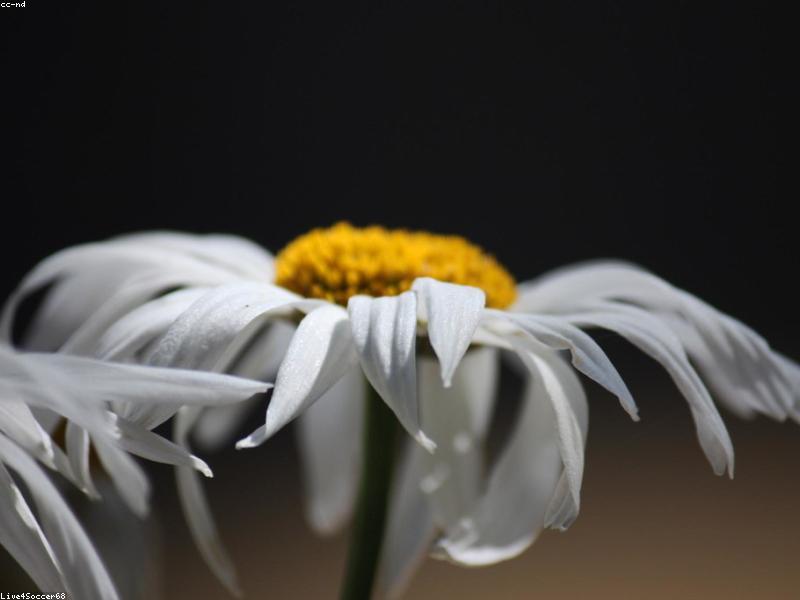
The Daisy, scientifically known as Bellis perennis, is a delightful herald of spring, gracing gardens and meadows with its cheerful, sun-like blossoms. This charming perennial is a beloved favorite, often symbolizing purity and innocence, and is easily recognized by its simple yet elegant flowers. With its bright white petals surrounding a sunny yellow center, the Daisy seems to capture the essence of a perfect, sunny day.
Native to Europe but now naturalized worldwide, Bellis perennis thrives in a variety of environments, from manicured lawns to wild fields. Its hardy nature and low maintenance requirements make it an ideal choice for gardeners seeking a touch of classic beauty. As it blooms tirelessly from early spring through the summer, the Daisy offers a continuous display of charm and grace.
How to identify Daisy
Look for these tell-tale features when identifying Daisy (Bellis perennis).
- Bright white petals with a yellow center disc.
- Flowers typically measure about 2-3 cm in diameter.
- Glossy, spoon-shaped leaves form a basal rosette.
- Stems are slender and reach up to 15 cm tall.
- Produces small, hairy, button-like buds before blooming.
Daisy care guide
Everything Daisy needs to thrive, at a glance.
Full sun to partial shade.
Moderate, even moisture.
Average, well-draining soil.
Cool to temperate.
Moderate.
Light feeding is plenty.
Watering
Daisies prefer consistently moist soil, so water them moderately, allowing the top inch of soil to dry out between waterings. Avoid waterlogging to prevent root rot.
Light
These plants thrive in full sun but can tolerate partial shade. Ensure they receive at least 4-6 hours of sunlight daily for optimal blooming.
Soil & repotting
Plant Daisies in well-draining soil enriched with organic matter. They prefer slightly acidic to neutral pH levels. Repot or divide clumps in early spring if they become crowded.
Temperature & humidity
Daisies are quite hardy, tolerating temperatures from 40°F to 85°F. They prefer moderate humidity but can endure drier conditions once established.
Feeding
Feed Daisies with a balanced, slow-release fertilizer in early spring and again in mid-summer to support their vigorous growth and flowering.
Pruning & grooming
Deadhead spent blooms regularly to promote continuous flowering. In late fall, trim back foliage to tidy up the plant and prepare it for winter.
Is Daisy toxic to pets?
Daisies belong to the Asteraceae family and are mildly toxic to cats and dogs, potentially causing vomiting, drooling, and skin irritation if eaten.
Common Daisy problems and fixes
Powdery mildew on leaves.
Increase air circulation and apply a fungicidal spray to affected areas.
Root rot due to overwatering.
Ensure proper drainage and reduce watering frequency.
Aphid infestation on young shoots.
Use insecticidal soap or neem oil to treat aphid infestations.
Yellowing leaves due to nutrient deficiency.
Apply a balanced fertilizer and ensure soil pH is appropriate.
Slugs and snails eating leaves.
Set up barriers or use slug pellets to protect plants.
How to propagate Daisy
Daisies can be easily propagated through division, seed, or cuttings. To propagate by division, dig up and separate clumps in early spring or fall, ensuring each division has roots attached. For seed propagation, sow seeds indoors 6-8 weeks before the last frost, or directly in the garden after the danger of frost has passed. Keep the soil consistently moist until germination occurs. For cuttings, take 3-4 inch stem cuttings in late spring, remove lower leaves, and plant in a well-draining potting mix. Keep the cuttings in a bright, warm location until roots develop.
Daisy uses and benefits
Daisies are not only adored for their ornamental value but also have a place in culinary and medicinal traditions. Their young leaves can be added to salads, providing a mild, fresh flavor. In herbal medicine, Daisies have been used for their anti-inflammatory properties. Ecologically, they attract beneficial insects such as bees and butterflies, promoting biodiversity in gardens. Their symbolic meanings of purity and new beginnings make them popular in bouquets and floral arrangements.
Where Daisy comes from
Bellis perennis is native to Europe and the Mediterranean region, where it has been cherished for centuries. The name 'Bellis' is derived from the Latin word for pretty, and 'perennis' means perennial, highlighting its enduring nature. Historically, it was used in traditional medicine for treating wounds and as an ornamental plant in gardens. Over time, it spread across the globe, becoming naturalized in North America and other regions, where it thrives in a variety of habitats.
Pro growing tips
- Plant Daisies in clusters for a lush, full appearance.
- Mulch around plants to retain moisture and suppress weeds.
- Divide plants every 2-3 years to maintain vigor.
- Use a layer of compost in spring to boost nutrient levels.
- Protect young plants from frost with a light covering.
Got a plant you can't name?
Snap a photo and identify it free in seconds — with a full care guide and toxicity check like this one.
Identify your plantDaisy FAQ
Get it on the go — the companion app
Identify plants offline, save your finds, and build a collection.