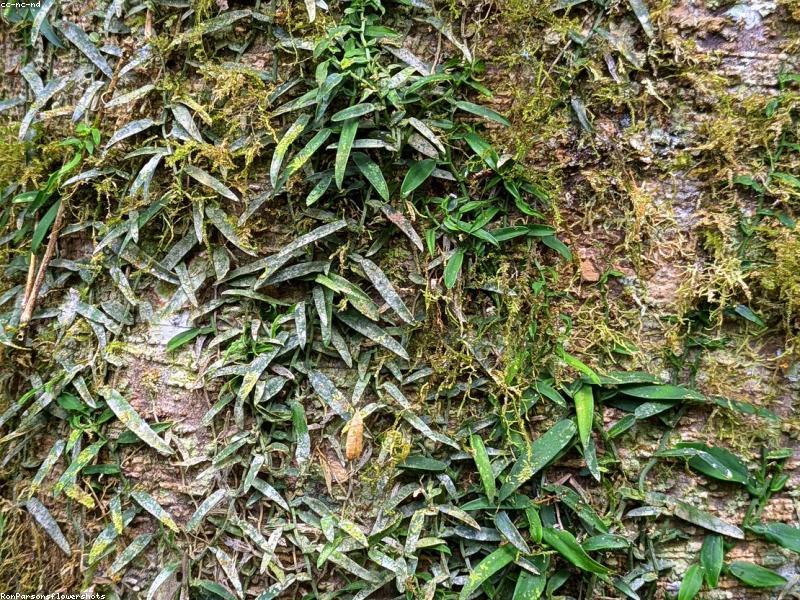
Succulents
Various genera
Succulents are a huge, diverse group of plants that store water in thick fleshy leaves, stems, or roots to survive dry conditions. They are prized for their sculptural shapes and low-maintenance care.
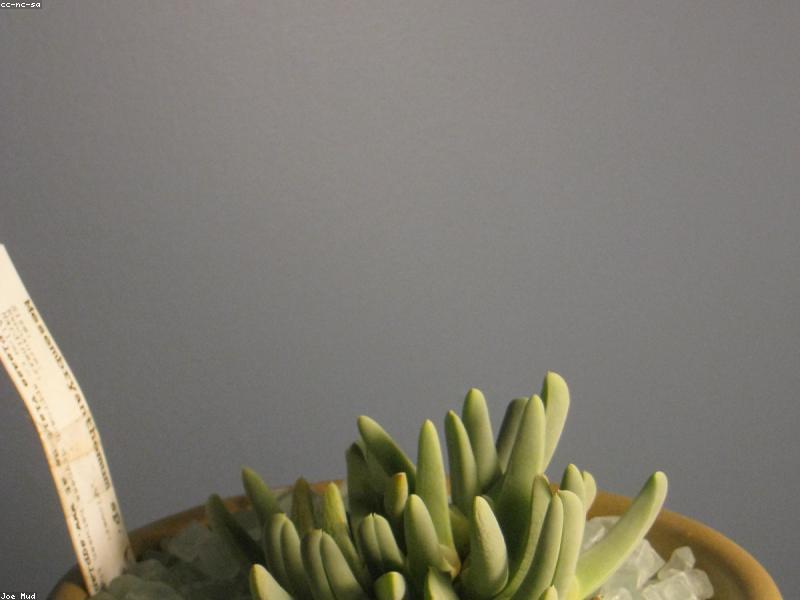
Succulents, with their mesmerizing geometries and vibrant hues, have charmed their way into homes and hearts worldwide. These resilient plants, hailing from various genera such as Echeveria, Haworthia, and Aloe, are celebrated for their ability to thrive in arid conditions. Their plump, water-storing leaves are a testament to their evolutionary prowess, allowing them to endure even the harshest droughts with grace. Whether forming a striking centerpiece on a coffee table or cascading elegantly from a hanging planter, succulents add a touch of nature's artistry to any space.
Easy to care for and visually striking, succulents are perfect for both novice gardeners and seasoned plant enthusiasts. Each species offers a unique palette of colors, shapes, and textures, making it possible to create a living tapestry that evolves with the seasons. Their adaptability extends beyond aesthetics; succulents are known for their air-purifying abilities, contributing to a healthier indoor environment. However, it's essential to identify your succulent species, as some, like jade and kalanchoe, can be toxic to pets.
How to identify Succulents
Look for these tell-tale features when identifying Succulents (Various genera).
- Succulents typically have thick, fleshy leaves that store water.
- They often display a rosette shape, with leaves arranged in a circular pattern.
- Many succulents have a waxy or powdery coating on their leaves, helping to reduce water loss.
- Colors range from green to blue, purple, red, and even variegated patterns.
- Some species, like Haworthia, have distinctive translucent or banded leaves.
Succulents care guide
Everything Succulents needs to thrive, at a glance.
Bright light; most want several hours of sun.
Soak thoroughly, then let soil dry completely.
Fast-draining cactus/succulent mix with grit.
18-27°C (65-81°F).
Prefers dry air.
Feed sparingly once or twice in the growing season.
Watering
Water succulents sparingly, allowing the soil to dry out completely between waterings. Overwatering can lead to root rot, so it's better to err on the side of dryness.
Light
Succulents thrive in bright, indirect sunlight. Direct sunlight can scorch their leaves, while too little light can cause them to become leggy.
Soil & repotting
Use a well-draining cactus or succulent mix to prevent water accumulation. Repotting is generally only necessary every couple of years, or if the plant outgrows its pot.
Temperature & humidity
These plants prefer warm temperatures, ideally between 60-80°F, and low humidity. They can tolerate cooler temperatures but should be protected from frost.
Feeding
Fertilize sparingly, using a diluted liquid cactus fertilizer during the growing season in spring and summer. Avoid feeding during the dormant winter months.
Pruning & grooming
Pruning is minimal; simply remove dead or damaged leaves with clean, sharp scissors. This helps to maintain the plant's appearance and prevent disease.
Is Succulents toxic to pets?
Many popular succulents (echeveria, haworthia, sedum) are non-toxic, but several common ones are toxic to pets, including jade, aloe, kalanchoe, and euphorbia. Always identify the specific species before trusting it around cats and dogs.
Common Succulents problems and fixes
Overwatering
Ensure the soil is completely dry before watering again and use a well-draining soil mix.
Pest infestations (e.g., mealybugs)
Remove pests manually with a cotton swab dipped in alcohol, and consider using insecticidal soap if necessary.
Leggy growth
Increase sunlight exposure and rotate the plant regularly to ensure even growth.
Leaf drop
Check for overwatering or sudden environmental changes and adjust care accordingly.
Sunburn
Move the plant to a spot with bright, indirect light and avoid midday direct sun.
How to propagate Succulents
Propagating succulents is a rewarding process that can be done through leaf or stem cuttings. For leaf propagation, gently twist a healthy leaf off the stem, ensuring it comes away cleanly. Allow the leaf to dry for a few days until the end calluses over, then place it on top of well-draining soil. Mist the soil lightly every few days until roots and new rosettes form. For stem cuttings, cut a healthy stem and let it dry and callus before planting it in soil. With patience, you'll see new growth emerging, ready to become a new plant.
Succulents uses and benefits
Succulents are not only visually appealing but also offer several benefits. They are popular in home decor due to their diverse shapes and colors, which complement various styles. Certain succulents, like Aloe vera, have medicinal properties and are used in skincare for their soothing and healing effects. While not all are air-purifying, some succulents can help improve indoor air quality by absorbing toxins. Additionally, they require minimal water, making them an eco-friendly choice for sustainable gardening.
Where Succulents comes from
Succulents are native to arid regions across the globe, including Africa, the Americas, and Asia. Their ability to store water in their leaves, stems, or roots is an adaptation to survive in environments with infrequent rainfall. Throughout history, succulents have been valued not only for their beauty but also for their practical uses in traditional medicine and as a food source. Their diverse forms and resilience have made them a symbol of enduring strength and adaptability.
Pro growing tips
- Avoid using regular potting soil; always opt for a well-draining succulent mix.
- Rotate your succulents periodically to ensure even exposure to sunlight.
- Water deeply but infrequently, mimicking rainfall patterns of their native habitats.
- Ensure your pot has drainage holes to prevent waterlogging.
- Group succulents with similar care needs for easier maintenance.
Got a plant you can't name?
Snap a photo and identify it free in seconds — with a full care guide and toxicity check like this one.
Identify your plantSucculents FAQ
Get it on the go — the companion app
Identify plants offline, save your finds, and build a collection.