Spider Plant
Chlorophytum comosum
The spider plant is a cheerful, arching grass-like plant that sends out baby plantlets on long stems. It is pet-safe, adaptable, and perfect for beginners and hanging baskets.
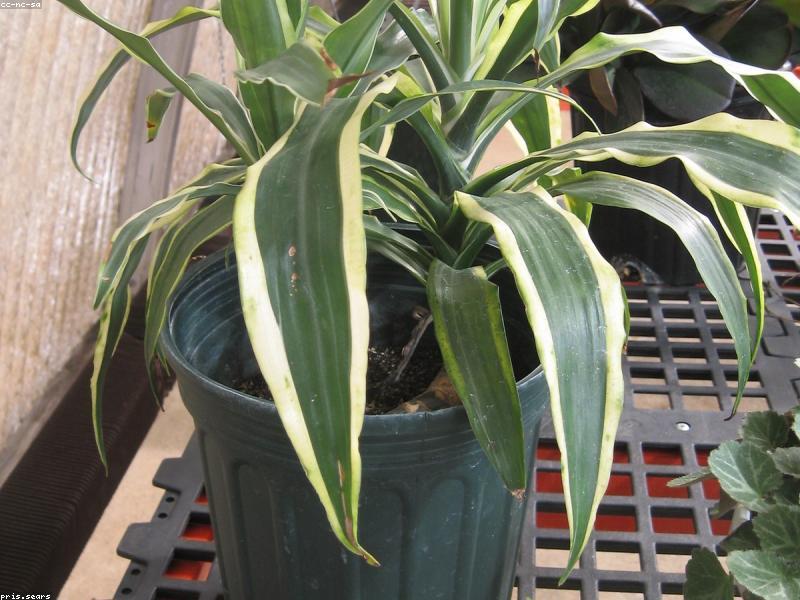
The Spider Plant, scientifically known as Chlorophytum comosum, is a delightful houseplant that has charmed plant lovers worldwide. Its cascading green and white striped leaves resemble a spider's legs, lending it a whimsical charm perfect for hanging baskets or elevated planters. Known for its resilience and air-purifying qualities, the Spider Plant thrives with minimal care, making it an ideal choice for both novice and seasoned gardeners.
Originating from South Africa, this plant has adapted to a wide range of indoor environments, earning a reputation as a robust and forgiving companion. The Spider Plant is not only visually appealing with its vibrant foliage but also pet-safe, allowing you to enjoy its beauty without worry. Its ability to produce offshoots or "spiderettes" adds a playful and dynamic element to any space, making it both a practical and decorative addition to your home.
How to identify Spider Plant
Look for these tell-tale features when identifying Spider Plant (Chlorophytum comosum).
- Long, arching leaves with a central white stripe
- Small white flowers on slender stalks
- Produces offshoots or "spiderettes"
- Thick, fleshy roots that store water
- Rosette growth pattern with leaves emerging from the center
Spider Plant care guide
Everything Spider Plant needs to thrive, at a glance.
Bright to moderate indirect light.
Keep lightly moist; water when the top few cm dry.
General-purpose well-draining mix.
13–27°C (55–81°F).
Average household humidity is fine.
Feed lightly every 4–6 weeks in spring and summer.
Watering
Water your Spider Plant when the top inch of soil feels dry. Be cautious of overwatering, as it's more tolerant of drought than soggy soil.
Light
Spider Plants thrive in bright, indirect light but can tolerate lower light conditions. Avoid direct sunlight, which can scorch the leaves.
Soil & repotting
Use a well-draining potting mix, preferably one with perlite or sand. Repot every 1-2 years, or when roots become crowded.
Temperature & humidity
Ideal temperatures are between 65-75°F (18-24°C). They prefer moderate humidity but can adapt to lower levels.
Feeding
Feed with a balanced liquid fertilizer every 4-6 weeks during the growing season. Avoid over-fertilizing, which can cause tip burn.
Pruning & grooming
Remove any brown tips or dead leaves with clean scissors. Prune offshoots if you want to control the plant's size.
Is Spider Plant toxic to pets?
Non-toxic and pet-safe. Cats may be drawn to the dangling plantlets, but they cause no harm if nibbled.
Common Spider Plant problems and fixes
Brown leaf tips
Increase humidity and ensure even watering to prevent leaf tip burn.
Leaf discoloration
Check for overwatering or inadequate lighting and adjust care accordingly.
Root rot
Ensure proper drainage and let soil dry out between waterings.
Pests like spider mites
Wipe leaves with a damp cloth and use insecticidal soap if needed.
Slow growth
Ensure the plant receives adequate light and nutrients without over-fertilizing.
How to propagate Spider Plant
Propagating a Spider Plant is a straightforward and rewarding process. Simply wait for the plant to produce offshoots, or "spiderettes." Once these offshoots have grown small roots, you can cut them from the main plant. Plant each spiderette in its own pot filled with a well-draining potting mix. Water thoroughly and place in a location with bright, indirect light. Over the next few weeks, the spiderettes will establish themselves as independent plants, ready to continue the cycle of growth and reproduction.
Spider Plant uses and benefits
The Spider Plant is celebrated not only for its decorative appeal but also for its air-purifying properties. It effectively removes toxins like formaldehyde and xylene from the air, contributing to a healthier indoor environment. As a non-toxic plant, it's safe to have around pets and children, providing peace of mind for families. Its ability to thrive in various conditions makes it a versatile addition to homes, offices, and public spaces, enhancing aesthetics with its lush, cascading foliage.
Where Spider Plant comes from
Native to the coastal regions of South Africa, the Spider Plant has a rich history of adaptation and global spread. It was introduced to Europe in the late 19th century and quickly became a popular houseplant due to its hardiness and ease of care. The plant's unique ability to produce offshoots allowed it to be easily propagated and shared, further cementing its place in households around the world. Its enduring popularity is a testament to its charm and resilience.
Pro growing tips
- Rotate the plant regularly to ensure even growth.
- Mist regularly to increase humidity if leaf tips turn brown.
- Keep away from cold drafts to prevent stress.
- Use rainwater or distilled water to avoid mineral build-up.
- Clip offshoots to encourage fuller growth.
Got a plant you can't name?
Snap a photo and identify it free in seconds — with a full care guide and toxicity check like this one.
Identify your plantSpider Plant FAQ
Get it on the go — the companion app
Identify plants offline, save your finds, and build a collection.