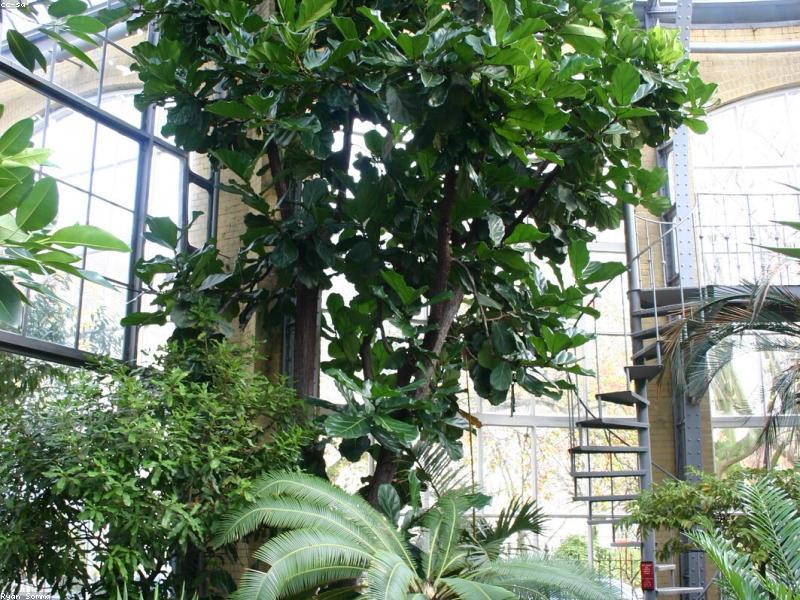
Rubber Plant
Ficus elastica
The rubber plant is a bold, easy-going ficus with large, glossy, leathery leaves that range from deep green to burgundy. It grows into an impressive indoor tree.
The Rubber Plant, known scientifically as Ficus elastica, is a verdant marvel that brings a touch of the exotic into any home. With its broad, glossy leaves that glisten like polished jade, this plant stands as a symbol of endurance and vitality. Native to the rainforests of Southeast Asia, the Rubber Plant thrives in indoor environments, transforming spaces with its bold, upright stature and deep green foliage. Its ability to adapt to various light conditions makes it a favorite among both novice and seasoned plant enthusiasts.
Beyond its striking appearance, the Rubber Plant is a silent worker, purifying indoor air by absorbing toxins and releasing oxygen. Despite its robust presence, it requires surprisingly low maintenance, making it an ideal choice for those who seek to add a touch of nature without the fuss. However, handle with care, as its milky sap can irritate skin and is mildly toxic to pets.
How to identify Rubber Plant
Look for these tell-tale features when identifying Rubber Plant (Ficus elastica).
- Broad, oval-shaped leaves with a deep green color and a glossy sheen.
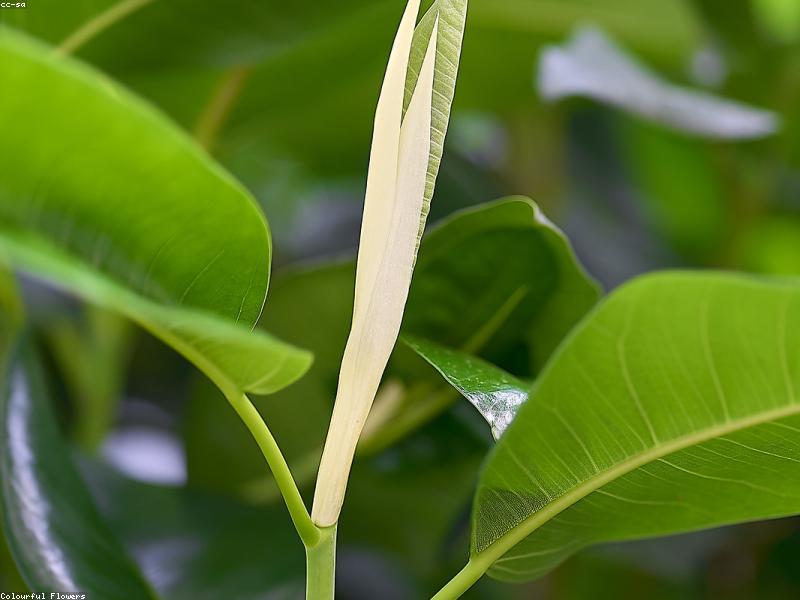
- New leaves emerge encased in a reddish sheath, which falls off as the leaf unfurls.
- Sturdy, upright stems that can grow significantly tall indoors.
- Leaves have a prominent central vein, often in a lighter shade of green.
- Milky sap exudes when leaves or stems are cut or damaged.
Rubber Plant care guide
Everything Rubber Plant needs to thrive, at a glance.
Bright, indirect light; tolerates medium light.
Water when the top few cm dry; keep evenly moist in summer.
Well-draining potting mix.
16–27°C (60–81°F).
Average to high humidity.
Feed monthly during spring and summer.
Watering
Water your Rubber Plant when the top inch of soil becomes dry. Ensure good drainage to prevent waterlogging, which can lead to root rot.
Light
Prefers bright, indirect light but can tolerate lower light conditions. Avoid direct sunlight, which can scorch its leaves.
Soil & repotting
Use a well-draining potting mix, such as one designed for houseplants. Repot every two years or when roots outgrow the pot.
Temperature & humidity
Thrives in temperatures between 60-75°F (15-24°C) and appreciates moderate humidity. Avoid cold drafts and sudden temperature changes.
Feeding
Feed with a balanced liquid fertilizer every month during the growing season (spring and summer). Reduce feeding in fall and winter.
Pruning & grooming
Prune to maintain shape and encourage bushier growth. Trim back leggy stems in spring, and remove any dead or damaged leaves.
Is Rubber Plant toxic to pets?
The milky sap is mildly toxic and irritating; it can cause GI upset in pets and skin/mouth irritation. Considered mildly problematic for humans.
Common Rubber Plant problems and fixes
Yellowing leaves.
Ensure proper drainage and avoid overwatering. Check for root rot and adjust watering schedule.
Brown leaf tips.
Increase humidity and ensure the plant is not exposed to drafts or direct sunlight.
Drooping leaves.
Check soil moisture; either underwatering or overwatering can cause drooping. Adjust watering accordingly.
Stunted growth.
Ensure adequate light and feeding. Consider repotting if the plant is root-bound.
Pest infestation (e.g., spider mites, mealybugs).
Wipe leaves with a damp cloth and apply insecticidal soap or neem oil as needed.
How to propagate Rubber Plant
Rubber Plants are best propagated through stem cuttings. Choose a healthy stem with at least two leaves and cut just below a node. Allow the cutting to dry for a few hours to prevent sap loss, then plant it in a pot with moist, well-draining soil. Cover with a plastic bag to maintain humidity, and place in indirect light. Roots should develop in about four to six weeks.
Rubber Plant uses and benefits
Beyond its ornamental value, the Rubber Plant is known for its air-purifying properties, effectively removing toxins like formaldehyde from indoor air. Its robust, glossy leaves add a sophisticated touch to any decor, making it a staple in home and office settings. While not used for culinary purposes, its ability to thrive in various conditions symbolizes resilience and adaptability, qualities that resonate with many plant lovers.
Where Rubber Plant comes from
The Rubber Plant hails from the lush rainforests of Southeast Asia, particularly India and Indonesia. Historically valued for its latex-producing capabilities, it was once a primary source of natural rubber before the advent of synthetic alternatives. Its botanical journey from industrial use to household staple showcases its versatility and enduring appeal.
Pro growing tips
- Rotate the plant regularly to ensure even growth and prevent leaning.
- Wipe leaves with a damp cloth to remove dust and enhance photosynthesis.
- Use a pebble tray to increase humidity around the plant in dry environments.
- Avoid placing the plant near cold drafts or air conditioning vents.
- If leaves become dusty, gently wash them with lukewarm water.
Got a plant you can't name?
Snap a photo and identify it free in seconds — with a full care guide and toxicity check like this one.
Identify your plantRubber Plant FAQ
Get it on the go — the companion app
Identify plants offline, save your finds, and build a collection.