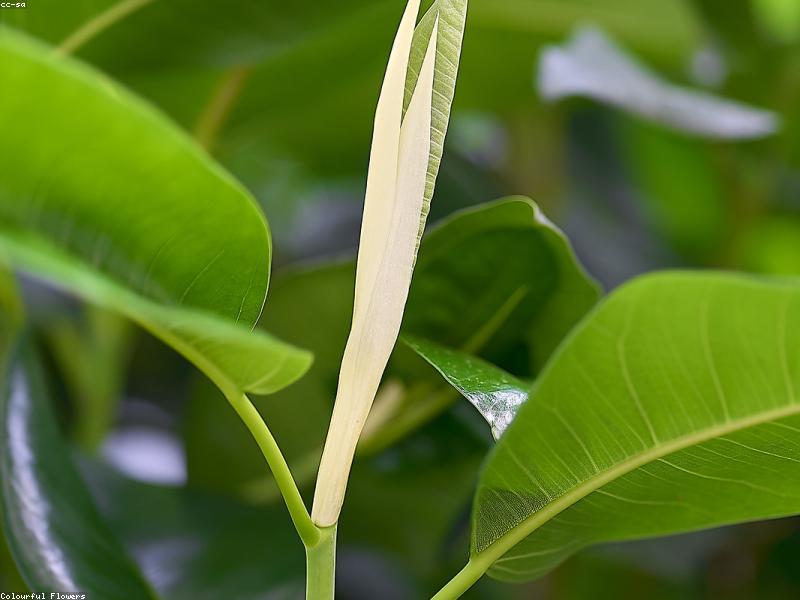
Fiddle Leaf Fig
Ficus lyrata
A statement tree with huge, violin-shaped leaves, the fiddle leaf fig is a designer favorite. It is beautiful but a little fussy, disliking change and inconsistent care.
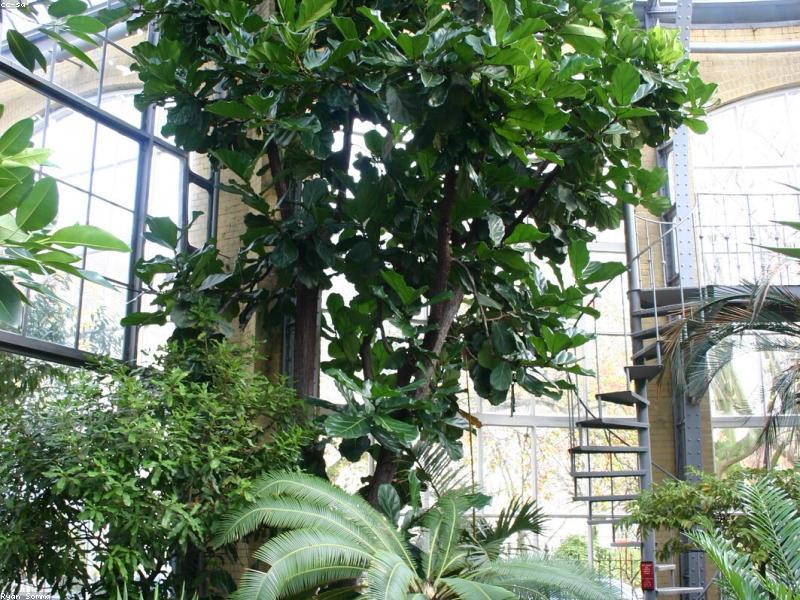
The Fiddle Leaf Fig, scientifically known as Ficus lyrata, is a dramatic plant that commands attention with its large, glossy leaves and sculptural presence. It's a favorite among interior designers and plant enthusiasts alike, known for its ability to transform any space into a lush, green oasis. These towering beauties, which can grow up to ten feet indoors, are perfect for adding a touch of the tropics to your home.
Native to the rainforests of West Africa, the Fiddle Leaf Fig thrives in warm and humid environments, making it a bit of a diva in terms of care. However, with the right conditions and a bit of attention, it can become a long-lasting and striking focal point in your living room or office. Whether you're a seasoned plant parent or a beginner looking to venture into the world of houseplants, the Fiddle Leaf Fig is both a rewarding and challenging choice.
How to identify Fiddle Leaf Fig
Look for these tell-tale features when identifying Fiddle Leaf Fig (Ficus lyrata).
- Large, violin-shaped leaves with prominent veins.
- Glossy, dark green foliage that can reach up to 18 inches long.
- A tall, upright growth habit, sometimes branching out.
- Smooth, greyish bark on the trunk.
- Leaves are densely packed at the top of the plant.
Fiddle Leaf Fig care guide
Everything Fiddle Leaf Fig needs to thrive, at a glance.
Lots of bright, indirect light; some gentle morning sun.
Water when the top 3–5 cm dry; avoid soggy soil.
Well-draining, rich indoor potting mix.
18–27°C (65–81°F); avoid cold drafts.
Prefers moderate to high humidity.
Feed monthly with a high-nitrogen fertilizer while growing.
Watering
Water your Fiddle Leaf Fig when the top inch of soil feels dry. Ensure the pot has drainage holes to prevent root rot. Overwatering can lead to yellowing leaves.
Light
This plant thrives in bright, indirect light. Direct sunlight can scorch the leaves, while too little light can cause leaf drop.
Soil & repotting
Use a well-draining potting mix, such as one designed for indoor plants. Repot every 1-2 years to refresh the soil and accommodate growth.
Temperature & humidity
Maintain temperatures between 60-75°F. High humidity is ideal, so consider using a humidifier or pebble tray.
Feeding
Feed with a balanced liquid fertilizer every month during the growing season (spring and summer). Reduce feeding in fall and winter.
Pruning & grooming
Prune to maintain shape and remove any damaged or diseased leaves. You can also trim the top to encourage bushier growth.
Is Fiddle Leaf Fig toxic to pets?
Sap contains proteolytic enzymes and can irritate skin. Ingestion causes mouth and GI irritation and vomiting in pets; mild irritation in humans.
Common Fiddle Leaf Fig problems and fixes
Leaf drop due to low light.
Move the plant to a brighter location with indirect sunlight.
Brown spots on leaves from overwatering.
Allow the top inch of soil to dry out before watering again.
Leaves turning yellow due to poor drainage.
Ensure the pot has adequate drainage holes and use a well-draining soil mix.
Pest infestation like spider mites.
Wipe leaves with a damp cloth and use insecticidal soap if necessary.
Slow growth or legginess.
Increase light exposure and ensure regular feeding during the growing season.
How to propagate Fiddle Leaf Fig
Fiddle Leaf Figs can be propagated through stem cuttings. Select a healthy branch with at least two leaves and cut it at an angle just below a node. Place the cutting in water or a moist soil mix, keeping it in a warm, bright spot. Change the water regularly if using the water method, and roots should develop in a few weeks. Once the roots are well-established, transplant the cutting into a pot with well-draining soil.
Fiddle Leaf Fig uses and benefits
The Fiddle Leaf Fig is primarily valued for its decorative appeal, bringing a touch of elegance and nature into indoor spaces. While not typically used for culinary purposes, its large leaves can help purify the air by removing toxins, enhancing the overall ambiance of your home. Its bold, architectural form makes it a statement piece in any room, symbolizing prosperity and growth in various cultures.
Where Fiddle Leaf Fig comes from
Ficus lyrata is native to the lowland tropical rainforests of West Africa, from Sierra Leone to Cameroon. It thrives in the humid, warm conditions of its natural habitat, often growing as a large tree. The plant gained popularity as a houseplant in the mid-20th century due to its striking foliage and adaptability to indoor environments, despite its somewhat demanding care requirements.
Pro growing tips
- Rotate the plant regularly for even growth.
- Dust leaves monthly to maximize photosynthesis.
- Avoid placing near drafts or heating vents.
- Use a moisture meter to prevent overwatering.
- Acclimate gradually to new light conditions.
Got a plant you can't name?
Snap a photo and identify it free in seconds — with a full care guide and toxicity check like this one.
Identify your plantFiddle Leaf Fig FAQ
Get it on the go — the companion app
Identify plants offline, save your finds, and build a collection.