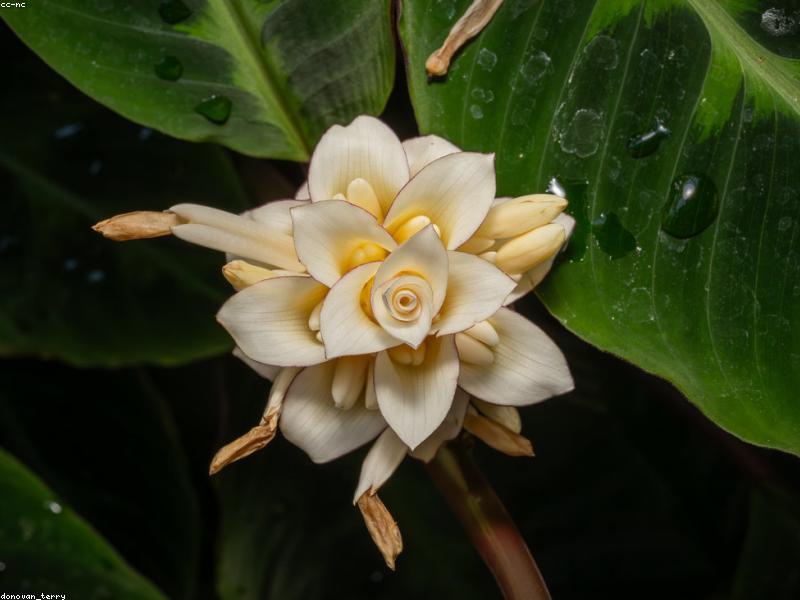
Prayer Plant
Maranta leuconeura
The prayer plant folds its beautifully veined leaves upward at night, as if in prayer. It is pet-safe and thrives with warmth and humidity.
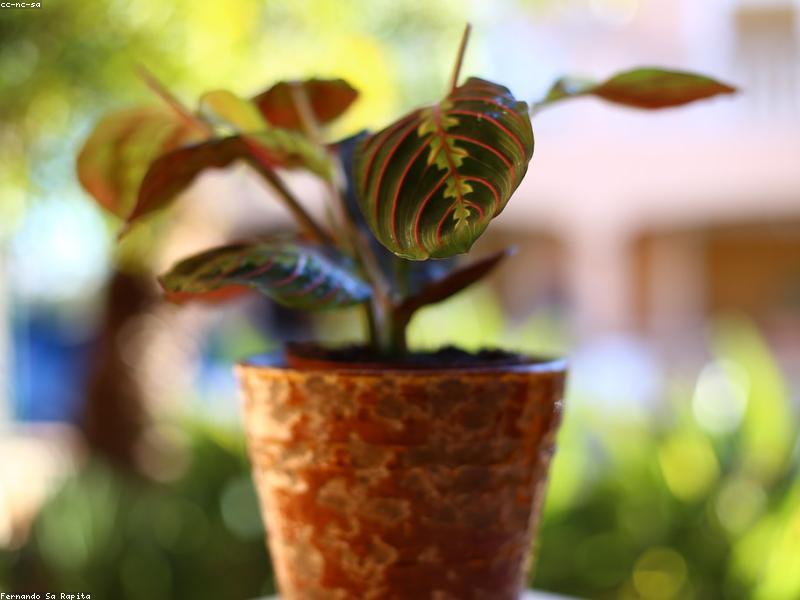
How to identify Prayer Plant
Look for these tell-tale features when identifying Prayer Plant (Maranta leuconeura).
- Oval leaves with bold veins and red or cream markings
- Leaves fold up at night, flatten by day
- Low, spreading habit
Prayer Plant care guide
Everything Prayer Plant needs to thrive, at a glance.
Medium, indirect light; avoid direct sun.
Keep evenly moist with filtered water.
Moisture-retentive but airy mix.
18–27°C (65–81°F).
High humidity is important.
Feed lightly every 2–4 weeks in the growing season.
Is Prayer Plant toxic to pets?
Non-toxic and safe for cats, dogs, and children.
Common Prayer Plant problems and fixes
- Crispy edges from dry air or tap water
- Faded color in too much light
- Curling leaves when thirsty
How to propagate Prayer Plant
Divide the plant or root stem cuttings at a node.
Fun facts
- The nightly folding is called nyctinasty.
- Closely related to Calathea.
Got a plant you can't name?
Snap a photo and identify it free in seconds — with a full care guide and toxicity check like this one.
Identify your plantPrayer Plant FAQ
Get it on the go — the companion app
Identify plants offline, save your finds, and build a collection.