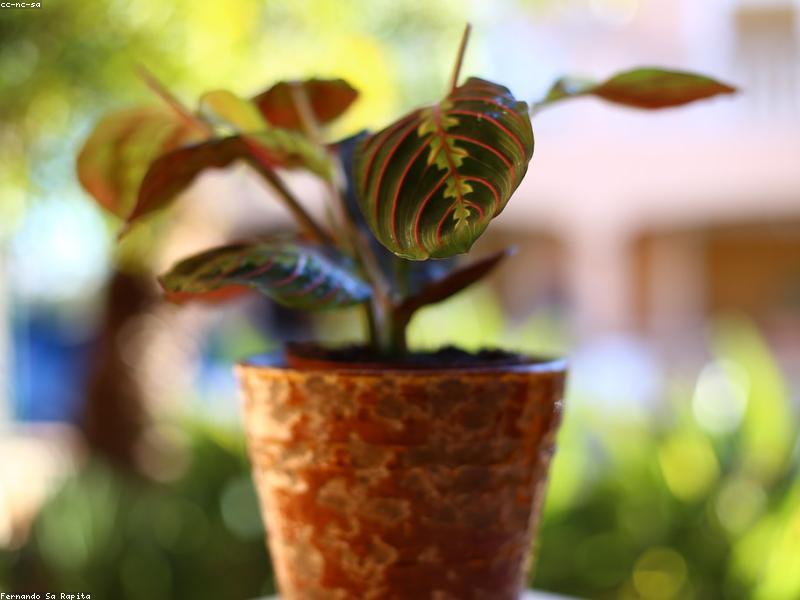
Calathea
Goeppertia makoyana
Calatheas are the “prayer plants” with spectacularly patterned leaves that fold up at night. They are pet-safe but reward attentive humidity and water quality.
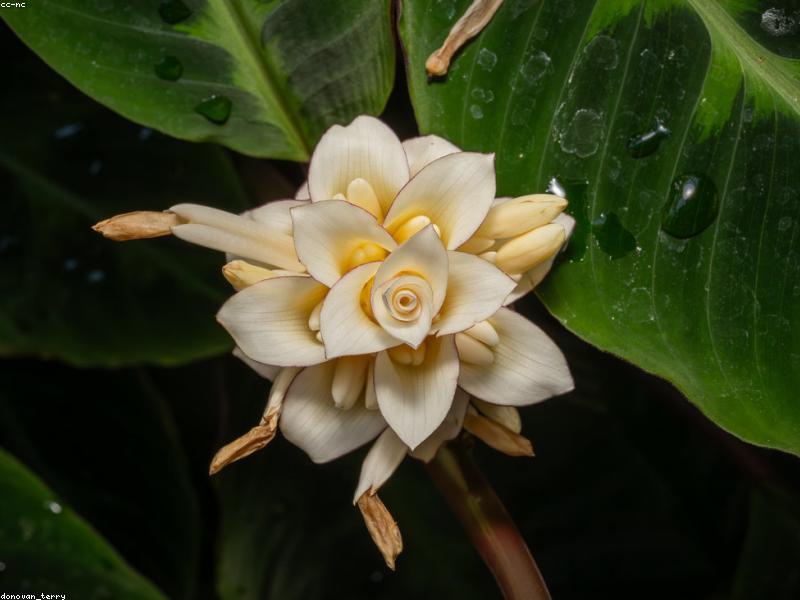
How to identify Calathea
Look for these tell-tale features when identifying Calathea (Goeppertia makoyana).
- Bold, intricately patterned leaves
- Purple or maroon leaf undersides
- Leaves that fold upward at night
Calathea care guide
Everything Calathea needs to thrive, at a glance.
Medium, indirect light; direct sun fades the patterns.
Keep evenly moist with filtered or rain water.
Moisture-retentive but airy mix.
18–27°C (65–81°F).
High humidity (60%+) is essential.
Feed lightly every month in spring and summer.
Is Calathea toxic to pets?
Non-toxic and safe around cats, dogs, and children.
Common Calathea problems and fixes
- Crispy edges from low humidity or tap water
- Curling leaves when thirsty
- Faded patterns in too much light
How to propagate Calathea
Divide the clump carefully at repotting.
Fun facts
- The nightly leaf movement is called nyctinasty.
- Sensitive to fluoride — use filtered water.
Got a plant you can't name?
Snap a photo and identify it free in seconds — with a full care guide and toxicity check like this one.
Identify your plantCalathea FAQ
Get it on the go — the companion app
Identify plants offline, save your finds, and build a collection.