Heartleaf Philodendron
Philodendron hederaceum
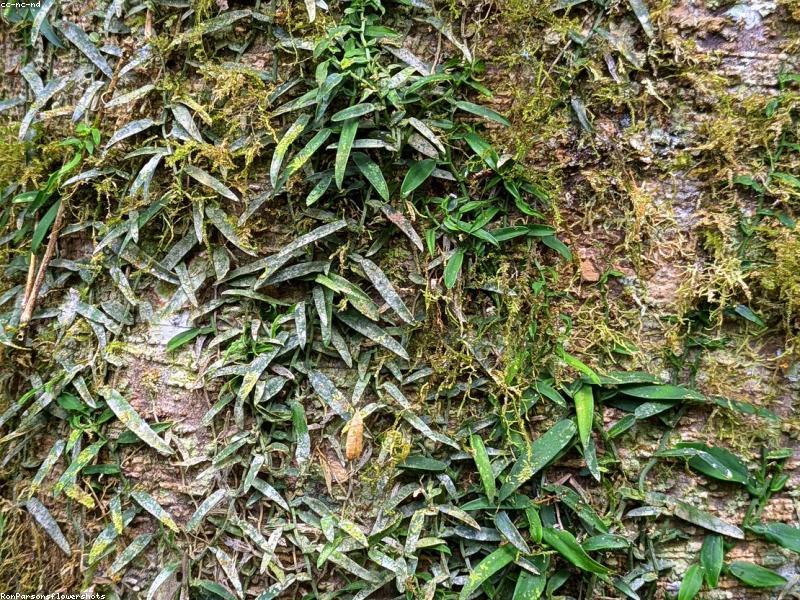
The heartleaf philodendron is a fast, forgiving trailing vine with soft heart-shaped leaves. It is often confused with pothos but has thinner, more matte foliage.

The Heartleaf Philodendron, known botanically as Philodendron hederaceum, is a beloved staple in the world of indoor plants. Its cascading vines adorned with heart-shaped leaves make it an ideal choice for adding a touch of green elegance to any space. This resilient plant thrives in various conditions, making it a perfect companion for both novice plant enthusiasts and seasoned gardeners. Its lush foliage is not only visually appealing but also acts as a natural air purifier, enhancing the quality of your indoor environment.
This versatile philodendron is native to the tropical regions of Central and South America, where it luxuriates in the dappled sunlight beneath the forest canopy. Despite its exotic origins, the Heartleaf Philodendron has adapted well to indoor living, requiring minimal care to flourish. However, it's crucial to note that this plant is toxic to cats, dogs, and humans due to the presence of insoluble calcium oxalates, so caution is advised when placing it in homes with curious pets or children.
How to identify Heartleaf Philodendron
Look for these tell-tale features when identifying Heartleaf Philodendron (Philodendron hederaceum).
- Heart-shaped, glossy green leaves with a smooth texture.
- Vining growth habit, often trailing or climbing.
- Stems are slender and flexible, allowing easy manipulation.
- Leaves are approximately 2-4 inches long, with a pointed tip.
- New growth appears as lighter green, maturing to a darker hue.
Heartleaf Philodendron care guide
Everything Heartleaf Philodendron needs to thrive, at a glance.
Low to bright indirect light.
Water when the top few cm dry.
Light, well-draining aroid mix.
18–27°C (65–81°F).
Enjoys higher humidity but adapts.
Monthly balanced feed in the growing season.
Watering
Water when the top inch of soil feels dry, ensuring the pot drains well. Overwatering can lead to root rot, so it's better to err on the side of underwatering.
Light
Thrives in bright, indirect light but can tolerate lower light conditions. Avoid direct sunlight as it can scorch the leaves.
Soil & repotting
Prefers a well-draining potting mix rich in organic matter. Repot every 2-3 years or when roots outgrow the pot.
Temperature & humidity
Optimal temperature range is 65-80°F. Enjoys high humidity but can adapt to average home humidity levels.
Feeding
Fertilize monthly during the growing season with a balanced liquid fertilizer. Reduce feeding in the winter months.
Pruning & grooming
Prune regularly to encourage bushier growth and remove any dead or yellowing leaves. Use clean, sharp scissors to avoid infection.
Is Heartleaf Philodendron toxic to pets?
Contains insoluble calcium oxalates. Ingestion causes oral pain, drooling, and vomiting in pets and mouth irritation in humans.
Common Heartleaf Philodendron problems and fixes
Yellowing leaves
Check for overwatering. Allow the soil to dry out slightly before watering again.
Brown leaf tips
Increase humidity by misting the plant or placing a humidifier nearby.
Leggy growth
Provide more indirect light and prune back stems to encourage fuller growth.
Pest infestations (e.g., spider mites)
Wipe leaves with a damp cloth and use insecticidal soap as needed.
Root rot
Ensure the pot has drainage holes and reduce watering frequency.
How to propagate Heartleaf Philodendron
Propagating the Heartleaf Philodendron is a rewarding endeavor. The most common method is through stem cuttings. Select a healthy vine and cut just below a node. Remove the lower leaves to expose the nodes and place the cutting in a jar of water. Ensure at least one node is submerged. Change the water weekly to prevent stagnation. Once roots are about an inch long, transplant the cutting into a pot with fresh soil. Alternatively, you can plant the cutting directly into moist soil, keeping it warm and humid to encourage root development.
Heartleaf Philodendron uses and benefits
The Heartleaf Philodendron is primarily valued for its decorative appeal. Its trailing vines can elegantly drape over shelves or climb up trellises, adding a vibrant touch to any room. Beyond aesthetics, this plant is known for its ability to purify the air by filtering out common toxins, making it a practical addition to homes and offices. While not edible due to its toxicity, its lush green presence can evoke a sense of tranquility and connection to nature.
Where Heartleaf Philodendron comes from
Originating from the tropical rainforests of Central and South America, the Heartleaf Philodendron has a rich history intertwined with its native habitats. In the wild, it thrives under the canopy of larger trees, benefiting from the dappled sunlight and humid environment. Discovered by early botanists exploring these lush landscapes, this philodendron has since been cultivated worldwide, celebrated for its adaptability and low maintenance needs.
Pro growing tips
- Rotate the plant periodically to ensure even growth and light exposure.
- Use a moss pole to support climbing and enhance vertical growth.
- Avoid placing near cold drafts as it prefers stable temperatures.
- Wipe leaves with a damp cloth to remove dust and promote photosynthesis.
- Consider grouping with other plants to naturally increase humidity.
Got a plant you can't name?
Snap a photo and identify it free in seconds — with a full care guide and toxicity check like this one.
Identify your plantHeartleaf Philodendron FAQ
Get it on the go — the companion app
Identify plants offline, save your finds, and build a collection.