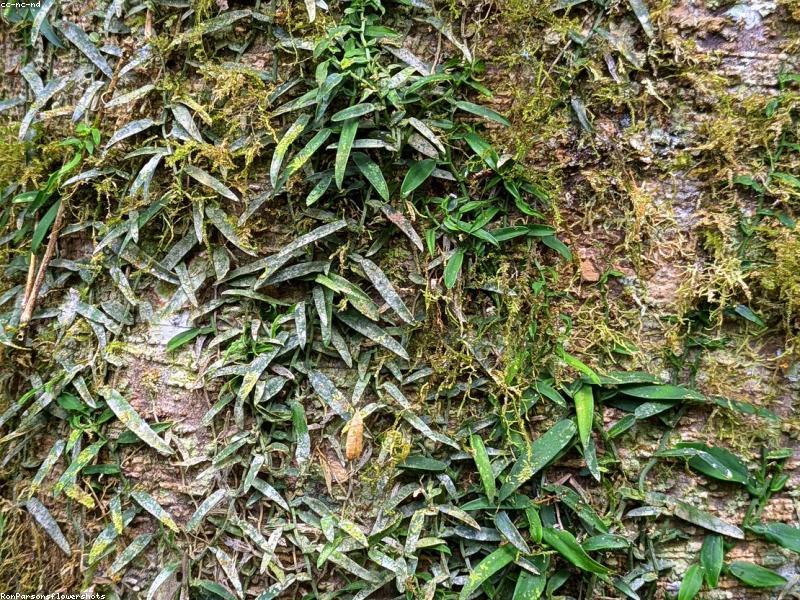
Poison Ivy
Toxicodendron radicans
Poison ivy is a common North American plant best known for the itchy, blistering rash it causes on contact. This guide is about identifying and avoiding it, not growing it.
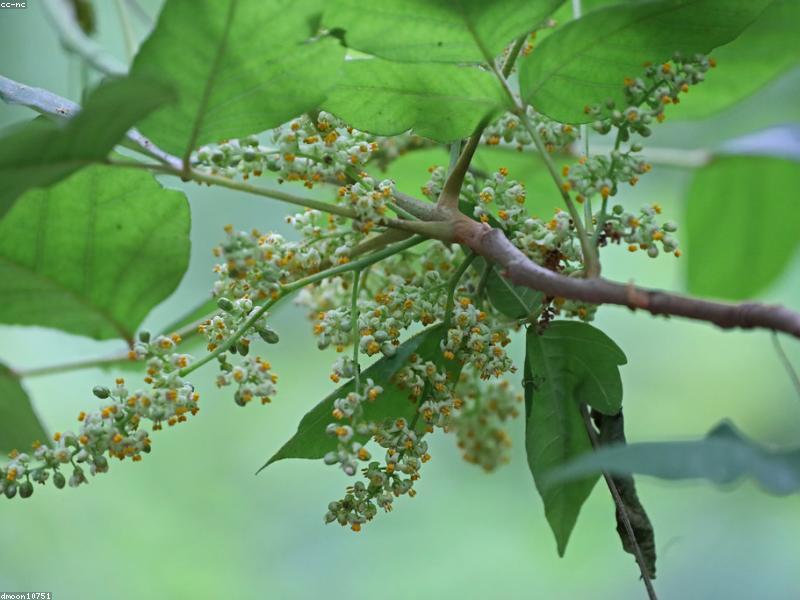
Poison Ivy, scientifically known as Toxicodendron radicans, is a plant that commands both respect and caution. Known for its infamous urushiol oil, which induces a blistering, itchy rash upon contact with human skin, this plant is a master of disguise in the natural world. Despite its ill-reputation, Poison Ivy plays a vital ecological role, providing food and habitat for wildlife. While humans must be wary, most pets remain unaffected internally but can unwittingly transfer the oil on their fur.
This resilient plant thrives in a variety of environments, from sunny fields to shaded forest floors. Its adaptive nature allows it to spread rapidly, often unnoticed until its distinctive three-leaf clusters catch the eye. Never touch or burn Poison Ivy, as its oils can become airborne and cause severe respiratory irritation. This plant is a reminder of nature's power and the respect it commands.
How to identify Poison Ivy
Look for these tell-tale features when identifying Poison Ivy (Toxicodendron radicans).
- Clusters of three leaflets, with the central leaflet having a longer stalk.
- Leaves can be glossy or dull, with smooth or serrated edges.
- In autumn, leaves turn vibrant shades of red and orange.
- White, waxy berries appear in late summer to fall.
- The plant can grow as a ground cover, shrub, or climbing vine.
Poison Ivy care guide
Everything Poison Ivy needs to thrive, at a glance.
Grows in sun or shade along woodland edges, trails, and fences.
Adapts to a wide range of moisture.
Tolerates most soils.
Hardy across temperate zones.
Any.
Not applicable; this is a plant to remove, not cultivate.
Watering
Poison Ivy is highly drought-tolerant and requires little to no additional watering once established. It thrives in natural rainfall conditions.
Light
This plant is versatile, growing in full sun to partial shade. It often thrives at the edges of forests and open fields.
Soil & repotting
Poison Ivy prefers well-drained soils but can adapt to various soil types, including sandy and clay soils. No repotting is necessary in its wild state.
Temperature & humidity
It is hardy in USDA zones 3-10, tolerating a wide range of temperatures and humidity levels. It can survive harsh winters and hot summers.
Feeding
Poison Ivy requires no fertilization, as it efficiently extracts nutrients from the soil naturally.
Pruning & grooming
Pruning is not typically necessary, but if removal is required, it must be done with caution to avoid contact with urushiol oil.
Is Poison Ivy toxic to pets?
Poison ivy’s oily resin, urushiol, causes an intensely itchy, blistering allergic rash in most people on contact. Pets are usually unaffected internally but can carry the oil on their fur and transfer it to humans. Never touch, pull bare-handed, or burn it, as the smoke is hazardous.
Common Poison Ivy problems and fixes
Uncontrolled spreading in gardens or yards.
Regularly monitor and remove new growth using protective gear to prevent skin contact.
Invasion of unwanted areas.
Use a dedicated herbicide designed for woody plants to control spread, following all safety instructions.
Urushiol oil causing skin irritation.
Wash immediately with soap and water if contact is suspected, and seek medical advice if a rash develops.
Poison Ivy growing up trees and structures.
Cut vines at the base and apply a systemic herbicide to prevent regrowth.
Difficulty in identifying the plant in mixed vegetation.
Familiarize yourself with its distinct three-leaf pattern and seasonal color changes for accurate identification.
How to propagate Poison Ivy
Poison Ivy propagates through both seed and vegetative means. Birds and other wildlife consume its berries, dispersing the seeds through their droppings. The plant also spreads through underground rhizomes, which can extend to form new shoots at a distance from the original plant. If attempting to control or remove Poison Ivy, it's essential to address both the surface growth and the extensive root system to prevent reestablishment.
Poison Ivy uses and benefits
While often regarded as a nuisance, Poison Ivy serves an ecological purpose. Its berries are a food source for birds and small mammals, contributing to local biodiversity. It also provides cover and nesting sites for wildlife. Despite its toxic reputation, it plays a crucial role in natural habitats, stabilizing soil and preventing erosion. In folklore, Poison Ivy symbolizes caution and respect for nature, reminding us of the delicate balance between humans and the natural world.
Where Poison Ivy comes from
Poison Ivy is native to North America, where it has thrived for centuries. It is commonly found in the United States and Canada, flourishing in diverse environments from coastal areas to inland forests. Historical records show that indigenous peoples were well aware of its properties, often using it to teach children about plant safety. Over time, it has spread across various landscapes, adapting to different climates and soil types, which has contributed to its pervasive presence today.
Pro growing tips
- Identify and learn to recognize Poison Ivy's distinct three-leaf clusters.
- Avoid planting or encouraging its growth in residential areas due to its toxic effects.
- If removal is necessary, wear protective clothing and wash thoroughly afterward.
- Do not burn Poison Ivy, as the smoke can carry urushiol oil and cause respiratory issues.
- Educate others about its appearance and risks to prevent accidental exposure.
Got a plant you can't name?
Snap a photo and identify it free in seconds — with a full care guide and toxicity check like this one.
Identify your plantPoison Ivy FAQ
Get it on the go — the companion app
Identify plants offline, save your finds, and build a collection.