Moth Orchid
Phalaenopsis amabilis
The moth orchid is the most popular orchid for the home — elegant, long-blooming, pet-safe, and far easier to grow than its reputation suggests.
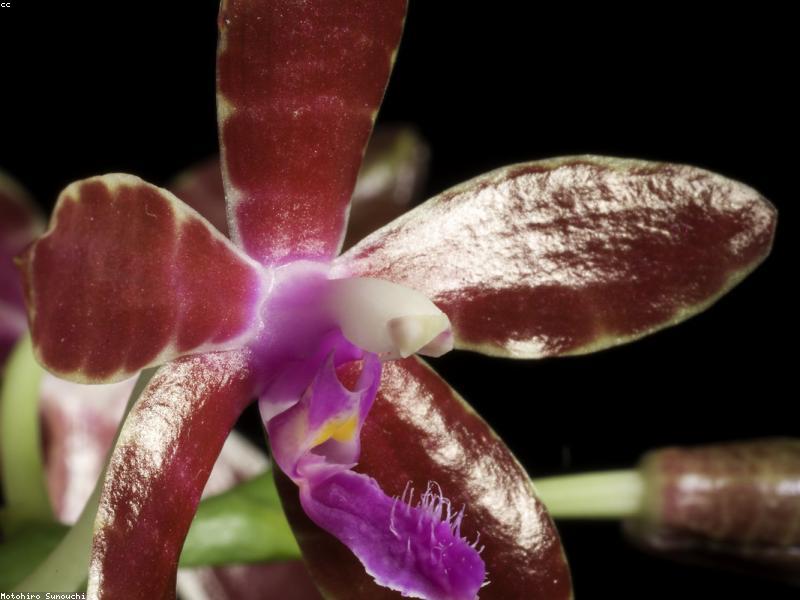
The Moth Orchid, scientifically known as Phalaenopsis amabilis, graces many homes with its elegant, wing-like blooms. This tropical beauty is renowned for its long-lasting flowers that can bloom for months, offering a continuous splash of color to any indoor space. Often seen in shades of white, pink, and purple, the Moth Orchid brings a touch of exotic allure and sophistication to both modern and traditional settings.
Native to the lush forests of Southeast Asia, the Moth Orchid thrives in humidity and warmth, mimicking its natural habitat. Its gentle appearance belies its resilience, as it is surprisingly easy to care for with a few basic guidelines. Known for being non-toxic and pet-safe, the Moth Orchid is a favorite among plant enthusiasts who share their homes with curious pets.
How to identify Moth Orchid
Look for these tell-tale features when identifying Moth Orchid (Phalaenopsis amabilis).
- Broad, leathery leaves that are dark green and glossy.
- Arching flower spikes that hold multiple blooms.
- Flowers have a distinctive 'moth' shape, often with a contrasting lip color.
- Aerial roots that are silver-gray and thick.
- Blooms can be white, pink, purple, or yellow, often with speckled patterns.
Moth Orchid care guide
Everything Moth Orchid needs to thrive, at a glance.
Bright, indirect light (an east window is ideal).
Water weekly by soaking the bark, then draining fully.
Coarse orchid bark, never regular soil.
18–27°C (65–81°F).
Moderate to high humidity.
Feed weakly, weekly with orchid fertilizer.
Watering
Water your Moth Orchid every 7-10 days, allowing the potting medium to dry out slightly between waterings. Avoid waterlogging, as this can lead to root rot.
Light
Place your orchid in bright, indirect light. Direct sunlight can scorch the leaves, so a north or east-facing window is ideal.
Soil & repotting
Use a well-draining orchid mix, typically composed of bark, charcoal, and perlite. Repot every 1-2 years or when the medium breaks down.
Temperature & humidity
Maintain temperatures between 65-75°F (18-24°C) with high humidity. Use a humidity tray or mist the leaves regularly to increase moisture.
Feeding
Fertilize with a balanced orchid fertilizer every 2 weeks during the growing season. Reduce feeding during the winter months.
Pruning & grooming
Prune spent flower spikes to encourage new growth. Cut above a node to potentially stimulate reblooming.
Is Moth Orchid toxic to pets?
Non-toxic and safe around cats, dogs, and children.
Common Moth Orchid problems and fixes
Yellowing leaves
Check for overwatering or insufficient light. Adjust watering schedule and ensure adequate lighting.
Root rot
Ensure the potting medium drains well and avoid letting the plant sit in water.
Bud drop
Maintain consistent temperatures and humidity levels to prevent stress.
Pest infestation
Inspect regularly for pests like aphids or mealybugs. Use insecticidal soap or neem oil for treatment.
Lack of blooms
Ensure the orchid receives enough light and consider a cooler night temperature to trigger blooming.
How to propagate Moth Orchid
Moth Orchids are typically propagated through keikis, which are small plantlets that form on the flower spikes. To propagate, wait until the keiki has developed several roots of at least 2-3 inches long. Carefully cut the keiki from the mother plant with sterilized scissors, ensuring you take a small section of the spike with it. Plant the keiki in a small pot with orchid mix, water lightly, and provide bright, indirect light. Within a few months, the keiki should establish and grow into a mature plant.
Moth Orchid uses and benefits
While primarily grown for its ornamental beauty, the Moth Orchid also serves as a symbol of elegance and refinement. It is a popular choice for gift-giving during celebrations and as a decorative piece in both homes and offices. Although not known for air-purifying properties like some other houseplants, its aesthetic value and non-toxic nature make it a delightful and safe addition to any living space.
Where Moth Orchid comes from
Phalaenopsis amabilis originates from the tropical regions of Southeast Asia, including Indonesia, the Philippines, and parts of Australia. In its native habitat, it grows epiphytically on trees, basking in the dappled sunlight of the forest canopy. The Moth Orchid was first described in the early 19th century and has since become one of the most popular and widely cultivated orchids in the world. Its ease of care and captivating blooms have made it a staple in the horticultural industry.
Pro growing tips
- Ensure your orchid has proper airflow to prevent fungal issues.
- Use a clear pot to monitor root health and moisture levels.
- Rotate the plant regularly for even growth and light exposure.
- Avoid letting water sit in the crown to prevent rot.
- Use a humidity tray to maintain the ideal moisture level.
Got a plant you can't name?
Snap a photo and identify it free in seconds — with a full care guide and toxicity check like this one.
Identify your plantMoth Orchid FAQ
Get it on the go — the companion app
Identify plants offline, save your finds, and build a collection.