Oak Tree
Quercus
Oaks are majestic, long-lived hardwood trees recognized by their lobed leaves and acorns. They are ecological keystones, supporting more wildlife than almost any other tree.
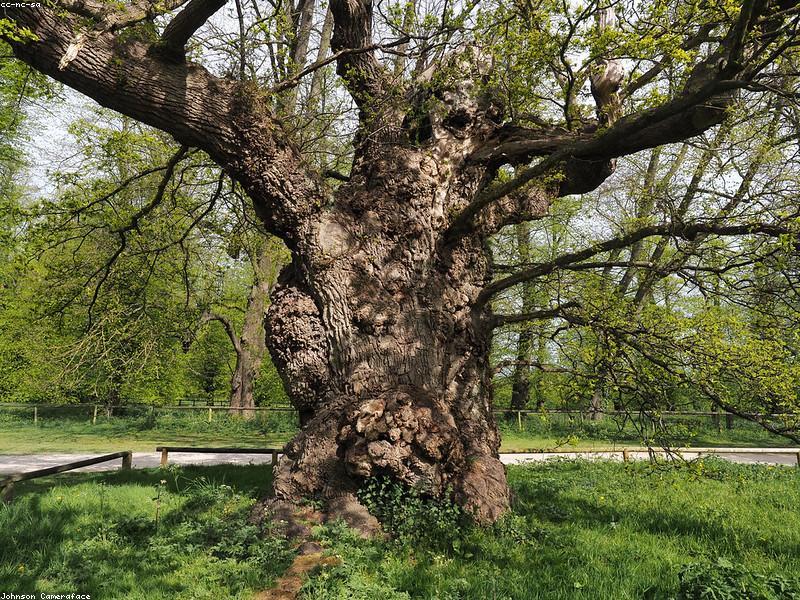
Majestic and enduring, the Oak Tree (Quercus) stands as a symbol of strength and longevity across landscapes worldwide. With their sprawling canopies and intricate network of branches, oak trees provide shade and shelter, fostering a rich ecosystem beneath their leaves. Their acorns, a staple in many wildlife diets, signal the arrival of autumn, adding a rustic charm to any setting. These trees are not just a testament to nature’s resilience but also a vital part of our ecological framework.
The oak tree, with its commanding presence and historical significance, has been revered in various cultures as a tree of wisdom and endurance. Its robust trunk and deeply grooved bark tell tales of centuries past, and its leaves, with their distinctive lobed shapes, rustle softly in the breeze, creating a serene melody. Whether in dense forests or solitary in fields, the Quercus captivates with its timeless beauty and ecological importance.
How to identify Oak Tree
Look for these tell-tale features when identifying Oak Tree (Quercus).
- Deeply lobed leaves often with rounded or pointed tips.
- Rough, deeply furrowed bark that varies from gray to dark brown.
- Acorns, typically rounded and capped with a scaly cup, found on mature trees.
- A broad, spreading canopy that provides ample shade.
- Branches that extend outward, often with a twisting, gnarled appearance.
Oak Tree care guide
Everything Oak Tree needs to thrive, at a glance.
Full sun.
Deep but infrequent once established.
Deep, well-draining soil.
Temperate.
Varies by region.
Rarely needed in decent soil.
Watering
Oak trees generally thrive with minimal watering once established, relying primarily on rainfall. Young oaks benefit from occasional deep watering during dry spells to help establish strong roots.
Light
These trees prefer full sun but can tolerate partial shade. Ensure they receive at least 6 hours of direct sunlight daily for optimal growth.
Soil & repotting
Oaks are adaptable to various soil types but prefer well-drained, loamy soils. Repotting is not typically necessary, given their outdoor nature, but ensuring ample space for root expansion is crucial.
Temperature & humidity
Oak trees are hardy and can withstand a range of temperatures, though they prefer temperate climates. They are relatively humidity-tolerant, adapting well to different moisture levels.
Feeding
Fertilization is rarely needed, but a balanced, slow-release fertilizer can be applied in early spring to support growth, especially in nutrient-poor soils.
Pruning & grooming
Prune oaks in late winter or early spring to maintain shape and remove dead or diseased branches. Avoid heavy pruning as it can stress the tree.
Is Oak Tree toxic to pets?
Acorns and young oak leaves contain tannins (gallotannins) that are toxic to dogs, cats, horses, and livestock, causing stomach upset and, in quantity, kidney or liver problems.
Common Oak Tree problems and fixes
Oak wilt disease.
Prune infected branches and apply fungicides as directed by an arborist.
Powdery mildew on leaves.
Increase air circulation around the tree and apply fungicidal sprays.
Root rot due to poor drainage.
Improve soil drainage and avoid overwatering.
Insect infestations, such as caterpillars.
Introduce beneficial insects and use insecticidal soaps if necessary.
Bacterial leaf scorch.
Ensure consistent watering and apply appropriate treatments as recommended by experts.
How to propagate Oak Tree
Oak trees are primarily propagated through acorns, which require a period of cold stratification to germinate. Collect acorns in the fall, selecting those without holes or damage. Soak them in water, discarding any that float. Plant the viable acorns in a pot filled with well-draining soil, about an inch deep. Keep the soil moist and place the pot in a cold area, such as a refrigerator, for about 6-8 weeks to mimic winter conditions. After stratification, move the pot to a warm, sunny location to encourage sprouting. Once the sapling is strong enough, it can be transplanted outdoors.
Oak Tree uses and benefits
Oak trees are ecological powerhouses, providing habitat and food for countless species. Their wood is prized for its strength and durability, used in furniture and construction. Symbolically, oaks represent wisdom and endurance, often featured in folklore and heraldry. While acorns are toxic to some animals, they have been used historically in culinary applications after proper preparation to remove tannins. Oaks also play a significant role in air purification, absorbing carbon dioxide and releasing oxygen, contributing to a healthier environment.
Where Oak Tree comes from
Native to the Northern Hemisphere, oak trees can be found across North America, Europe, and Asia. These trees have been revered for thousands of years, featuring prominently in mythology and cultural traditions. The Druids considered the oak sacred, while ancient Greeks associated it with Zeus. Oaks have also provided sustenance and shelter to countless generations of wildlife and humans alike, cementing their status as a keystone species in many ecosystems.
Pro growing tips
- Plant oak trees in the fall for the best root establishment.
- Mulch around the base to retain moisture and regulate soil temperature.
- Avoid planting too close to structures due to their extensive root systems.
- Monitor for pests and diseases regularly to maintain tree health.
- Provide ample space for canopy expansion to prevent overcrowding.
Got a plant you can't name?
Snap a photo and identify it free in seconds — with a full care guide and toxicity check like this one.
Identify your plantOak Tree FAQ
Get it on the go — the companion app
Identify plants offline, save your finds, and build a collection.