Mint
Mentha
Mint is a vigorous, intensely aromatic herb used in everything from tea to cocktails. It grows so eagerly that it is best contained in a pot.
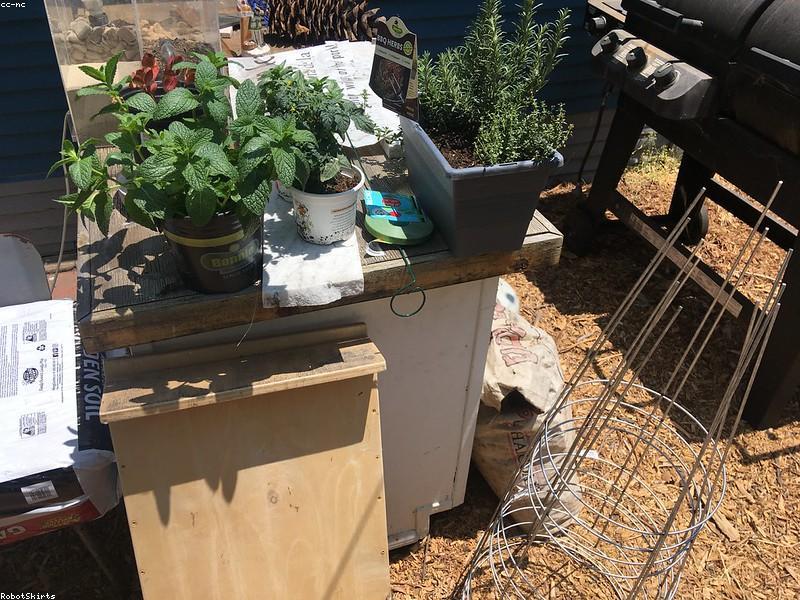
Mint, or Mentha, is a fragrant and versatile herb, cherished for its refreshing aroma and culinary versatility. From the cool embrace of peppermint to the sweet warmth of spearmint, each variety offers its own distinct character, making it a beloved choice for gardens and kitchens alike. With its lush green leaves and invigorating scent, mint is a staple in herbal teas, desserts, and savory dishes, infusing them with a burst of freshness.
Beyond its culinary uses, mint is a resilient garden companion, thriving in a variety of conditions. Its vigorous growth habit and ease of propagation make it an ideal choice for gardeners of all skill levels. However, its enthusiasm for spreading can quickly transform it into a tenacious ground cover, requiring a watchful eye to keep it in check. Whether in pots or in the ground, mint is a delightful addition to any green space.
How to identify Mint
Look for these tell-tale features when identifying Mint (Mentha).
- Square stems typical of the Lamiaceae family.
- Serrated leaves with a distinctive mint aroma when crushed.
- Leaves are usually bright green, sometimes with a slightly hairy texture.
- Clusters of small, tubular flowers, often pale purple or white.
- Sprawling growth habit, easily spreading through runners.
Mint care guide
Everything Mint needs to thrive, at a glance.
Full sun to partial shade.
Keep consistently moist.
Rich, moist soil.
Temperate.
Moderate.
Light feeding.
Watering
Mint prefers consistently moist soil, so water it regularly, especially during dry spells. However, avoid waterlogging, as this can lead to root rot.
Light
Mint thrives in full sun to partial shade. In hotter climates, some afternoon shade can help prevent leaf scorch.
Soil & repotting
Mint grows best in rich, well-draining soil. Use a potting mix enriched with organic matter. Repot when roots become crowded.
Temperature & humidity
Mint is hardy and can tolerate a range of temperatures, but prefers mild conditions. Maintain moderate humidity to keep the leaves lush.
Feeding
Feed mint with a balanced, water-soluble fertilizer every 4-6 weeks during the growing season for optimal growth.
Pruning & grooming
Regularly pinch back the tips to encourage bushy growth and prevent flowering, which can reduce leaf quality.
Is Mint toxic to pets?
Common culinary mints like spearmint and peppermint are generally safe; eating large amounts of the essential-oil-rich leaves can upset a pet’s stomach. Note that the mint relative pennyroyal is genuinely toxic, so identify the plant.
Common Mint problems and fixes
Powdery mildew
Ensure good air circulation and avoid overhead watering. Remove affected leaves and apply a fungicide if necessary.
Rust
Remove and destroy infected leaves. Improve air circulation and apply a fungicide if needed.
Leaf miners
Remove and discard affected leaves. Encourage beneficial insects or use insecticidal soap.
Aphids
Spray with a strong jet of water or use insecticidal soap to control aphid populations.
Root rot
Ensure proper drainage and avoid overwatering. If necessary, repot in fresh, well-draining soil.
How to propagate Mint
Mint is effortlessly propagated through stem cuttings or by division. To propagate by cuttings, snip a 4-6 inch section from a healthy stem, remove the lower leaves, and place it in water or moist soil until roots develop. For division, carefully dig up a section of the plant, ensuring each division has roots attached, and replant it in a new location or pot. Both methods are best done in spring or early summer when the plant is actively growing.
Mint uses and benefits
Mint is prized not only for its culinary uses but also for its decorative and ecological benefits. It serves as a natural air freshener, purifying the air with its invigorating scent. In the garden, mint attracts beneficial insects like bees and butterflies, enhancing pollination. Its leaves are used in a variety of dishes and drinks, from refreshing mojitos to soothing teas. Symbolically, mint represents hospitality and warmth, making it a thoughtful addition to any gathering.
Where Mint comes from
Mint is native to Europe, Asia, and North America, with a rich history that spans cultures and continents. Its use dates back to ancient times, with records of its cultivation and medicinal use in ancient Egypt, Greece, and Rome. The name Mentha is derived from Minthe, a nymph from Greek mythology. Over centuries, mint has been revered for its aromatic qualities and therapeutic properties, making it a staple in herbal medicine and culinary traditions worldwide.
Pro growing tips
- Plant mint in containers to prevent it from overtaking your garden.
- Harvest mint leaves regularly to encourage new growth and prevent flowering.
- Use mulch to retain soil moisture and suppress weeds around your mint plants.
- Rotate the location of your mint plants every few years to prevent pest buildup.
- Consider growing different mint varieties to enjoy a range of flavors and aromas.
Got a plant you can't name?
Snap a photo and identify it free in seconds — with a full care guide and toxicity check like this one.
Identify your plantMint FAQ
Get it on the go — the companion app
Identify plants offline, save your finds, and build a collection.