Lavender
Lavandula
Lavender is an aromatic Mediterranean shrub with silvery foliage and purple flower spikes, cherished for its calming fragrance, essential oils, and pollinator appeal.
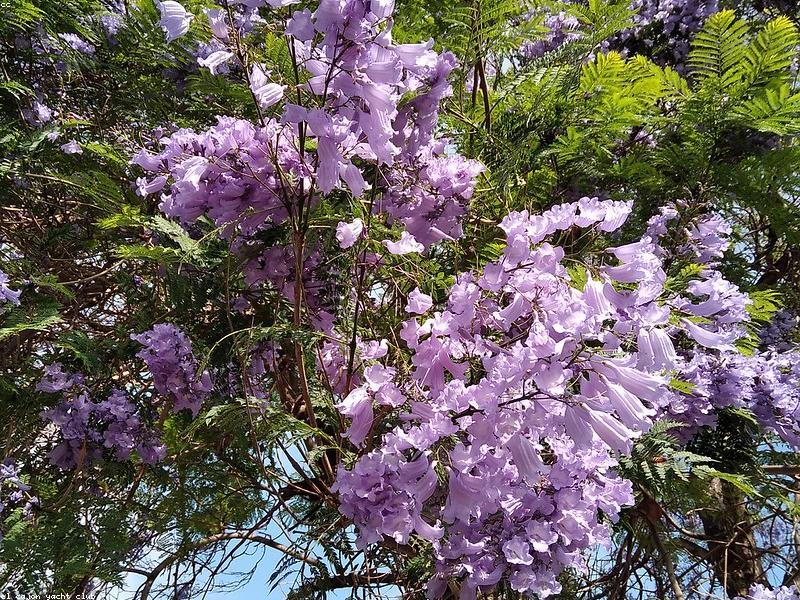
Lavender, or Lavandula, is a beloved herb cherished for its enchanting fragrance and striking purple blooms. This delightful plant has graced gardens and homes for centuries, offering not only beauty but also a sense of tranquility with its soothing scent. With its silvery-green foliage and vibrant flowers, lavender is a staple in Mediterranean landscapes and cottage gardens alike. Its versatility extends beyond aesthetics, as lavender is also prized for its culinary and medicinal uses.
Beyond its charming appearance, lavender is a hardy plant that thrives in sunny, well-drained conditions. Known for its drought resistance, it is an excellent choice for gardeners looking to cultivate a low-maintenance yet rewarding plant. Whether planted en masse or as a single accent, lavender's ability to attract pollinators adds ecological value to any garden setting.
How to identify Lavender
Look for these tell-tale features when identifying Lavender (Lavandula).
- Narrow, silvery-green leaves with a distinct aromatic scent.
- Flowers are small, tubular, and typically purple, arranged in dense spikes.
- Woody stems that become more pronounced with age.
- Compact, bushy growth habit, reaching 1 to 3 feet in height.
- Distinctive square stems, typical of the mint family.
Lavender care guide
Everything Lavender needs to thrive, at a glance.
Full sun.
Low; drought tolerant once established.
Sandy, alkaline, sharply draining soil.
Warm, dry conditions.
Low; dislikes humidity.
Minimal; thrives in lean soil.
Watering
Lavender prefers to dry out between waterings and is drought-tolerant once established. Water deeply but infrequently, allowing the soil to dry out completely before watering again.
Light
Lavender thrives in full sun, requiring at least 6 hours of direct sunlight each day. Insufficient sunlight can lead to leggy growth and reduced flowering.
Soil & repotting
Well-drained, sandy or gravelly soil is ideal for lavender. Ensure pots have drainage holes to prevent waterlogging. Repot every 2-3 years to refresh the soil and accommodate root growth.
Temperature & humidity
Lavender enjoys warm temperatures, ideally between 60-80°F (15-27°C). It prefers low humidity, making it well-suited to dry climates.
Feeding
Lavender requires minimal fertilization. Apply a balanced, slow-release fertilizer in spring if needed, but avoid excessive feeding which can lead to reduced oil production.
Pruning & grooming
Prune lavender annually in late summer or early fall to maintain shape and encourage new growth. Remove spent flowers and trim back about one-third of the plant.
Is Lavender toxic to pets?
Lavender contains linalool and linalyl acetate, mildly toxic to cats and dogs if eaten in quantity, causing nausea and vomiting. It is fine as a garden plant, but discourage pets from chewing it.
Common Lavender problems and fixes
Root rot due to overwatering.
Ensure well-draining soil and allow the soil to dry out between waterings.
Powdery mildew on leaves.
Improve air circulation around the plant and avoid overhead watering.
Yellowing leaves.
This may indicate poor drainage or overwatering; check soil conditions and adjust watering habits.
Sparse flowering.
Ensure the plant receives enough sunlight and prune back in early spring to encourage blooms.
Aphid infestation.
Spray with a mixture of water and insecticidal soap or introduce beneficial insects like ladybugs.
How to propagate Lavender
Lavender is commonly propagated through cuttings, which is a reliable method to ensure the new plants retain the characteristics of the parent. In late spring or early summer, take 3-4 inch cuttings from non-flowering stems. Strip the leaves from the bottom half, dip the cut end in rooting hormone, and plant in a pot filled with a well-draining potting mix. Keep the cuttings in a warm, bright location, but out of direct sunlight. Maintain moisture, but not wet conditions, until roots develop, typically in 3-6 weeks. Once rooted, gradually acclimate the young plants to outdoor conditions before transplanting.
Lavender uses and benefits
Lavender is a multifaceted plant known for its decorative appeal, culinary uses, and aromatic benefits. Its fragrant flowers are often used in sachets, oils, and potpourri to freshen up living spaces. In the kitchen, lavender can be used to flavor desserts, teas, and even savory dishes, adding a unique floral note. Beyond its human applications, lavender plays an ecological role by attracting bees and other pollinators, supporting garden biodiversity. Its calming scent is also associated with relaxation and stress relief, making it a popular choice for aromatherapy.
Where Lavender comes from
Lavender is native to the Mediterranean region, where it has been cultivated for over 2,500 years. Historically, it was used by ancient Egyptians in mummification processes and by Romans in bathing rituals. The name 'lavender' is derived from the Latin word 'lavare,' meaning 'to wash,' reflecting its historical use in cleansing and purification. Over the centuries, lavender has spread across Europe and into the Americas, becoming a staple in both ornamental and practical gardening.
Pro growing tips
- Plant lavender in a location with good air circulation to prevent fungal diseases.
- Avoid using heavy, clay soils that retain moisture, which can lead to root rot.
- Harvest lavender flowers in the morning after dew has dried for the highest oil content.
- Mulch with light-colored gravel to reflect heat and keep roots warm in cooler climates.
- Space plants adequately to ensure they have room to spread and receive ample sunlight.
Got a plant you can't name?
Snap a photo and identify it free in seconds — with a full care guide and toxicity check like this one.
Identify your plantLavender FAQ
Get it on the go — the companion app
Identify plants offline, save your finds, and build a collection.