Basil
Ocimum basilicum
Basil is a tender, aromatic culinary herb and the star of pesto. Warm, sunny, and well-watered conditions keep it producing fragrant leaves all season.
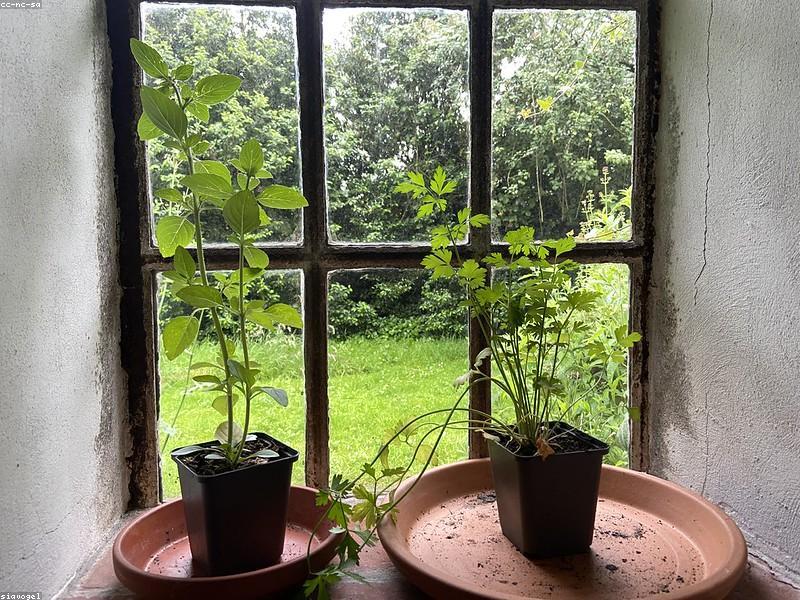
Basil, or Ocimum basilicum, is a fragrant herb that has captivated the culinary world and garden enthusiasts alike. This aromatic plant, with its lush green leaves, is a staple in kitchens for its ability to enhance the flavor of countless dishes. Beyond its culinary appeal, basil is also a charming addition to any garden or windowsill, offering a delightful scent and a touch of green elegance.
Native to tropical regions spanning from central Africa to Southeast Asia, basil thrives in warm climates and is cherished for its versatility and ease of cultivation. Whether you're an aspiring chef or a seasoned gardener, basil is a rewarding plant to grow, providing fresh leaves for cooking and a beautiful green display that enlivens your living space.
How to identify Basil
Look for these tell-tale features when identifying Basil (Ocimum basilicum).
- Oval-shaped leaves with a pointed tip and smooth edges
- Bright green color, although some varieties may have purple or red leaves
- Leaves are arranged in opposite pairs along the stem
- Small, white to purple flowers that form a spike-like cluster
- Aromatic scent that intensifies when leaves are crushed
Basil care guide
Everything Basil needs to thrive, at a glance.
At least 6 hours of sun.
Keep soil evenly moist; do not let it wilt.
Rich, well-draining soil.
Warm; very sensitive to cold.
Moderate.
Light, regular feeding.
Watering
Basil prefers consistent moisture but dislikes waterlogged soil. Water when the top inch of soil feels dry, usually every few days depending on temperature and humidity.
Light
Basil thrives in full sun, requiring at least 6 to 8 hours of direct sunlight daily. Indoor plants should be placed near a south-facing window or under grow lights.
Soil & repotting
Use well-draining soil with a pH between 6.0 and 7.5. If growing in containers, choose a pot with drainage holes and repot when the plant outgrows its space.
Temperature & humidity
Keep basil in a warm environment, ideally between 70-90°F (21-32°C). It prefers moderate humidity, so consider misting if your home is very dry.
Feeding
Feed basil every 4-6 weeks with a balanced, water-soluble fertilizer to support its rapid growth and leaf production.
Pruning & grooming
Regularly pinch off the tops of the plants to encourage bushy growth and prevent flowering. Remove flower spikes promptly to keep the plant focused on leaf production.
Is Basil toxic to pets?
Basil is non-toxic to cats and dogs and is of course a widely eaten culinary herb for humans.
Common Basil problems and fixes
Yellowing leaves
Ensure proper drainage and avoid overwatering. Check for nutrient deficiencies and adjust fertilization.
Wilting
Check soil moisture levels; water if dry. Protect from excessive heat and direct afternoon sun.
Aphids
Spray with a mixture of water and a few drops of dish soap. Introduce beneficial insects like ladybugs.
Powdery mildew
Improve air circulation around plants and avoid overhead watering. Use a fungicide if necessary.
Root rot
Ensure pots have drainage holes and avoid waterlogged soil. Allow soil to dry slightly between waterings.
How to propagate Basil
To propagate basil, start with healthy cuttings about 4 to 6 inches long. Remove the lower leaves and place the cuttings in a glass of water, ensuring that at least two nodes are submerged. Change the water every few days, and within a week or two, roots should begin to form. Once the roots are a couple of inches long, transplant the cuttings into a pot with well-draining soil. Keep the soil moist and place the new plants in a sunny location to encourage robust growth.
Basil uses and benefits
Basil is renowned for its culinary uses, adding a fresh, vibrant flavor to dishes such as pesto, salads, and sauces. Beyond the kitchen, basil serves as a decorative plant with its lush, aromatic foliage. It can also act as a natural insect repellent in gardens and is believed to have air-purifying properties. Symbolically, basil is often associated with love and protection, making it a charming addition to both home and garden.
Where Basil comes from
Basil hails from the tropical regions of central Africa and Southeast Asia. It has been cultivated for thousands of years, with historical roots tracing back to ancient civilizations such as the Greeks and Romans, who used it for both culinary and medicinal purposes. Over time, basil spread across the globe, becoming a beloved herb in various cuisines, particularly in Italian and Southeast Asian dishes.
Pro growing tips
- Pinch off flowers to keep the plant producing leaves.
- Rotate your pots periodically for even sunlight exposure.
- Use mulch to retain soil moisture and deter weeds.
- Harvest leaves regularly to encourage new growth.
- Start seeds indoors 6 weeks before the last frost date.
Got a plant you can't name?
Snap a photo and identify it free in seconds — with a full care guide and toxicity check like this one.
Identify your plantBasil FAQ
Get it on the go — the companion app
Identify plants offline, save your finds, and build a collection.