Maple Tree
Acer
Maples are graceful shade trees celebrated for their palmate leaves, spinning winged seeds, and spectacular autumn color. One species is also the source of maple syrup.
The Maple tree, belonging to the genus Acer, is a versatile and majestic specimen known for its vibrant autumn foliage and distinctively shaped leaves. These trees are a staple of temperate forests, adorning landscapes with their fiery reds, oranges, and yellows each fall. Their striking seasonal display and adaptability make them a popular choice for both urban and rural settings, providing shade and a picturesque backdrop to any garden.
While many people recognize the Maple tree for its beauty, its contributions extend beyond aesthetics. Maple trees are integral to ecosystems, offering habitat and food for wildlife. Additionally, the sugar maple variety is renowned for its sap, which is harvested to produce the beloved maple syrup. However, it's important to note that while generally non-toxic to cats and dogs, the red maple variety is highly toxic to horses, a crucial consideration for those in equine environments.
How to identify Maple Tree
Look for these tell-tale features when identifying Maple Tree (Acer).
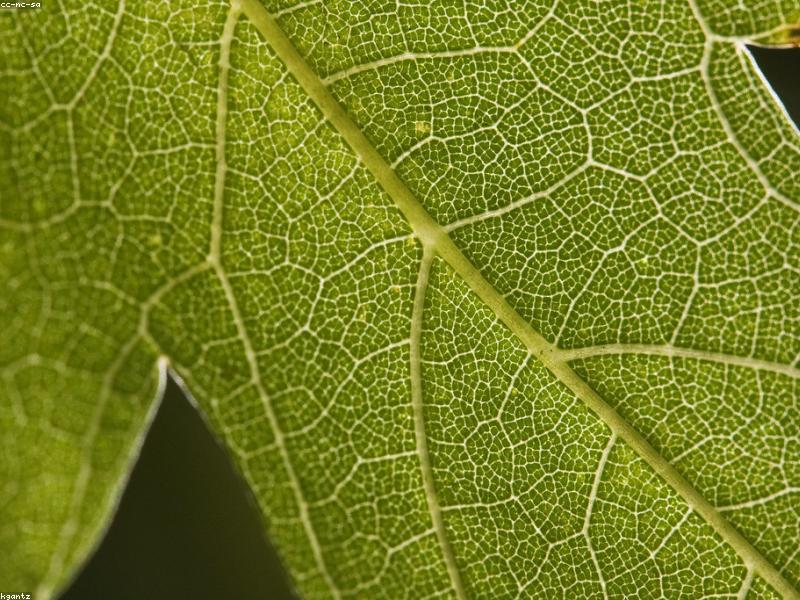
- Leaves are palmate with 3-9 lobes, often with serrated edges.
- Bark is smooth when young, becoming furrowed and scaly with age.
- Produces winged seeds known as samaras, commonly called 'helicopters.'
- Displays vibrant fall colors, ranging from red and orange to yellow and purple.
- Typically grows between 30 to 145 feet tall, depending on the species.
Maple Tree care guide
Everything Maple Tree needs to thrive, at a glance.
Full sun to partial shade.
Water regularly while young; moderate once established.
Moist, well-draining soil.
Temperate.
Varies by region.
Feed in spring only if growth is poor.
Watering
Maple trees prefer well-drained soil and should be watered deeply during dry spells. Young trees require more frequent watering to establish a robust root system.
Light
These trees thrive in full sun to partial shade, needing at least 6 hours of direct sunlight daily for optimal growth and vibrant foliage.
Soil & repotting
Maples favor slightly acidic to neutral soil, rich in organic matter. Repot young trees every couple of years to encourage healthy root development.
Temperature & humidity
They are hardy in USDA zones 3-9, preferring cooler climates with moderate humidity. Protect young trees from extreme temperatures.
Feeding
Fertilize in early spring with a balanced, slow-release fertilizer to support new growth and vibrant leaf color.
Pruning & grooming
Prune in late winter or early spring to remove dead branches and shape the tree. Avoid heavy pruning as it can stress the tree.
Is Maple Tree toxic to pets?
Most maples are non-toxic to cats and dogs. However, red maple (Acer rubrum) is highly toxic to horses — wilted or dried leaves can cause fatal damage to red blood cells, so keep horses away from maple clippings.
Common Maple Tree problems and fixes
Leaf scorch
Ensure adequate watering during dry periods and mulch to retain soil moisture.
Verticillium wilt
Improve soil drainage and remove affected branches. Consider soil testing for pathogen presence.
Aphids
Introduce beneficial insects like ladybugs or use insecticidal soap to control population.
Tar spot
Rake and dispose of fallen leaves to prevent fungal spores from overwintering.
Root rot
Ensure proper drainage and avoid overwatering to prevent waterlogged soil.
How to propagate Maple Tree
Maple trees are commonly propagated through seeds or cuttings. To propagate from seeds, collect samaras in the fall and stratify them by placing them in a moist medium in the refrigerator for 90 to 120 days. This mimics natural winter conditions and breaks seed dormancy. After stratification, plant the seeds in a well-draining soil mix, keeping them moist until germination. For propagation via cuttings, take softwood cuttings in early summer. Use a rooting hormone and plant in a mix of sand and peat, maintaining high humidity until roots develop. Both methods require patience, but they can yield healthy new trees.
Maple Tree uses and benefits
Maple trees are cherished not only for their ornamental beauty but also for their ecological and economic benefits. They provide critical habitat and food for various wildlife species. The sugar maple, in particular, is famed for its sap, which is tapped to produce maple syrup, a treasured culinary delight. Additionally, maples are known for their air-purifying qualities, helping to reduce pollution by absorbing carbon dioxide and releasing oxygen. Symbolically, they represent balance, promise, and practicality, often being featured in cultural and national emblems, most notably the Canadian flag.
Where Maple Tree comes from
Maple trees are native to Asia, Europe, and North America, with the largest diversity found in China. They have been cultivated for centuries, admired for their distinctive leaves and vibrant autumn colors. In North America, the sugar maple holds significant cultural and economic importance, playing a vital role in the production of maple syrup. The genus Acer has over 130 species, each adapted to different climates and regions, illustrating the tree's versatility and resilience.
Pro growing tips
- Plant maples in early spring or fall to minimize transplant shock.
- Mulch around the base to retain moisture and suppress weeds.
- Avoid planting near structures to prevent root interference.
- Monitor for pests and diseases regularly to maintain tree health.
- Water deeply, especially during dry spells, to encourage deep root growth.
Got a plant you can't name?
Snap a photo and identify it free in seconds — with a full care guide and toxicity check like this one.
Identify your plantMaple Tree FAQ
Get it on the go — the companion app
Identify plants offline, save your finds, and build a collection.