Jade Plant
Crassula ovata
The jade plant is a long-lived succulent with plump, oval leaves and thick woody stems, often grown as a symbol of good luck and prosperity.
The Jade Plant, scientifically known as Crassula ovata, is a beloved succulent hailing from South Africa, where its robust nature and lush, rounded leaves have earned it a place in both wild landscapes and cultivated gardens. Its common name, Jade Plant, is inspired by the rich green of its foliage, reminiscent of precious jade stones. This charming plant is not only a symbol of prosperity and luck but also an enduring favorite for indoor gardeners seeking low-maintenance greenery that thrives with minimal fuss.
A staple in homes and offices, the Jade Plant is admired for its ability to adapt to various conditions, making it an ideal companion for beginners and seasoned plant enthusiasts alike. Its fleshy leaves store water, allowing it to tolerate periods of neglect, while its thick, woody stems develop into miniature tree-like forms that add architectural interest to any space. However, it's important to note that while the Jade Plant is non-toxic to humans, it poses a risk to pets such as cats and dogs if ingested.
How to identify Jade Plant
Look for these tell-tale features when identifying Jade Plant (Crassula ovata).
- Thick, fleshy, oval-shaped leaves that are glossy and rich green.
- Woody, tree-like stems that can become quite thick and gnarled over time.
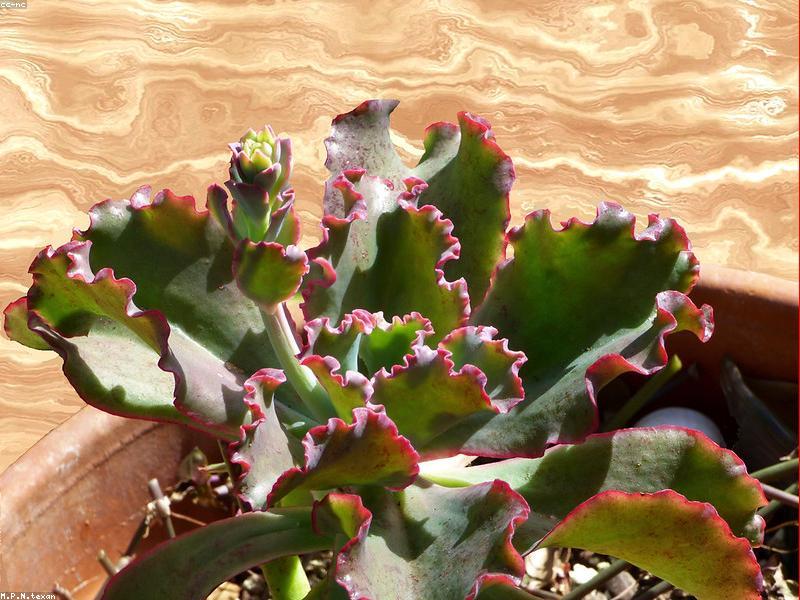
- Leaves may develop a red tinge around the edges when exposed to bright sunlight.
- Compact growth habit, often resembling a miniature tree.
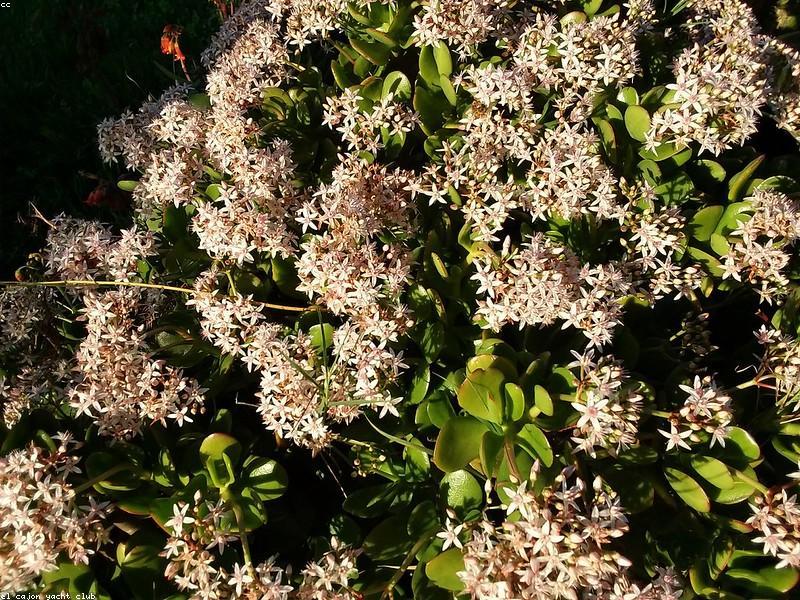
- Clusters of small, star-shaped white or pink flowers that bloom in winter under optimal conditions.
Jade Plant care guide
Everything Jade Plant needs to thrive, at a glance.
Bright light, including several hours of direct sun.
Water only when soil is dry; reduce in winter.
Free-draining succulent mix.
18–24°C (65–75°F).
Prefers dry conditions.
Feed sparingly a few times in the growing season.
Watering
Allow the soil to dry out completely between waterings. Overwatering can lead to root rot, so it's crucial to ensure proper drainage.
Light
Thrives in bright, indirect light but can also tolerate direct sunlight. A south-facing window is ideal, but avoid intense midday sun.
Soil & repotting
Use a well-draining cactus or succulent mix. Repot every 2-3 years or when the plant outgrows its pot, preferably in spring.
Temperature & humidity
Prefers temperatures between 65°F and 75°F (18°C to 24°C). It can tolerate cooler temperatures but should be protected from frost.
Feeding
Fertilize with a balanced, water-soluble fertilizer every 4-6 weeks during the growing season (spring and summer).
Pruning & grooming
Prune to maintain shape and remove any dead or damaged leaves. Cut back leggy growth to promote bushiness.
Is Jade Plant toxic to pets?
Toxic to cats and dogs, causing vomiting, lethargy, and incoordination. Generally regarded as non-toxic to humans.
Common Jade Plant problems and fixes
Leaf drop
Ensure the plant is not overwatered and receives adequate light. Adjust watering schedule and relocate if necessary.
Root rot
Cut back on watering and ensure the pot has drainage holes. Remove affected roots and repot in fresh soil if needed.
Pale leaves
Move to a brighter location to increase light exposure, but gradually to avoid sunburn.
Leggy growth
Prune back stems to encourage bushier growth and provide more light.
Pests like mealybugs
Wipe leaves with a cotton swab dipped in rubbing alcohol and maintain proper air circulation.
How to propagate Jade Plant
Propagating a Jade Plant is a rewarding process that can be accomplished through leaf or stem cuttings. To propagate by leaf, gently twist off a healthy leaf from the parent plant and allow it to callous over for a few days. Once the cut end has dried, place it on top of a well-draining soil mix. For stem cuttings, cut a section of the stem with a few leaves attached, let it dry for a couple of days, and then plant it in soil. Keep the soil lightly moist until roots develop, which can take several weeks. Ensure the cuttings receive bright, indirect light during this period.
Jade Plant uses and benefits
The Jade Plant is primarily valued for its decorative appeal, gracing homes and offices with its lush, jade-colored leaves and tree-like structure. It is often associated with good luck and prosperity, making it a popular choice in feng shui practices. While it does not have significant culinary uses, its presence in a room is believed to improve air quality by absorbing carbon dioxide and releasing oxygen. Its resilience and ease of care make it an excellent choice for those looking to add a touch of greenery to their space without the need for constant attention.
Where Jade Plant comes from
Native to the arid regions of South Africa and Mozambique, the Jade Plant has a long history of cultivation both in its native range and around the world. It was first introduced to Europe in the early 20th century, quickly gaining popularity as a houseplant due to its easy-going nature and attractive appearance. Its cultural significance as a symbol of prosperity and good fortune has further cemented its status as a cherished plant in many households, particularly in Asian cultures where it is often given as a gift for new beginnings or to bring positive energy into a space.
Pro growing tips
- Use a pot with drainage holes to prevent waterlogged soil.
- Rotate the plant periodically to ensure even growth and prevent leaning.
- Avoid sudden changes in temperature to prevent stress on the plant.
- During winter, reduce watering as the plant enters a dormant phase.
- Use sharp, clean tools when pruning to avoid introducing disease.
Got a plant you can't name?
Snap a photo and identify it free in seconds — with a full care guide and toxicity check like this one.
Identify your plantJade Plant FAQ
Get it on the go — the companion app
Identify plants offline, save your finds, and build a collection.