Popular plants
Echeveria
Echeveria elegans
Family: CrassulaceaeGenus: EcheveriaNative: Semi-desert regions of Mexico
Echeverias are rosette-forming succulents in soft pastel hues, a pet-safe staple of sunny windowsills and succulent arrangements.
How to identify Echeveria
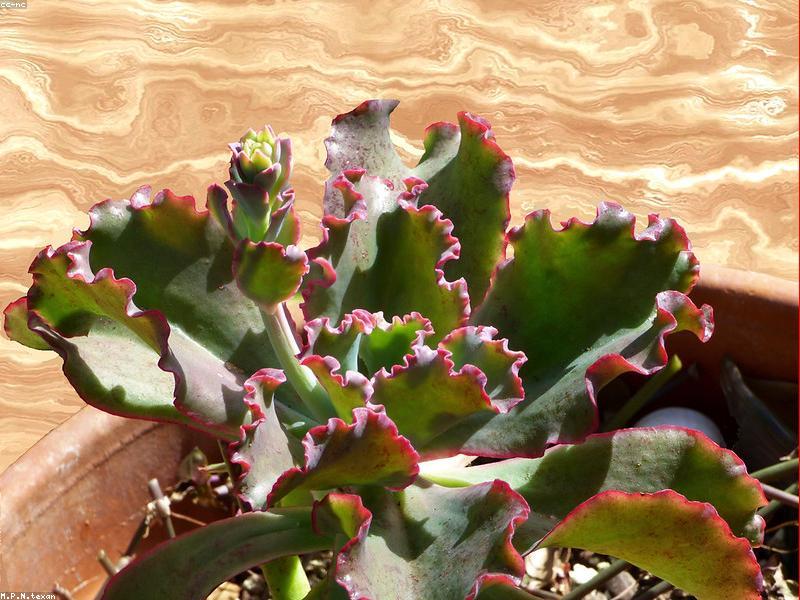
Look for these tell-tale features when identifying Echeveria (Echeveria elegans).
- Tight rosette of fleshy, spoon-shaped leaves
- Powdery or pastel coloring, often blue-green
- Compact, symmetrical form
Echeveria care guide
Everything Echeveria needs to thrive, at a glance.
Light
Bright light with direct sun.
Water
Soak and dry; water only when soil is fully dry.
Soil
Gritty cactus/succulent mix.
Temperature
18–24°C (65–75°F).
Humidity
Prefers dry air.
Fertilizer
Feed lightly once or twice a year.
Is Echeveria toxic to pets?
Cats & dogs: SafeHumans: Safe
Non-toxic and safe around pets and children.
Common Echeveria problems and fixes
- Etiolation (stretching) in low light
- Rot from overwatering
- Sunburn if moved to intense sun too fast
How to propagate Echeveria
Root individual leaves or offsets on dry soil.
Fun facts
- The powdery coating (farina) protects against sun and water loss.
- Produces offsets called “hens and chicks.”
Got a plant you can't name?
Snap a photo and identify it free in seconds — with a full care guide and toxicity check like this one.
Identify your plantEcheveria FAQ
Get it on the go — the companion app
Identify plants offline, save your finds, and build a collection.