Hydrangea
Hydrangea macrophylla
Hydrangeas are lush flowering shrubs famous for their huge, rounded flower clusters. Remarkably, many change bloom color depending on soil chemistry.
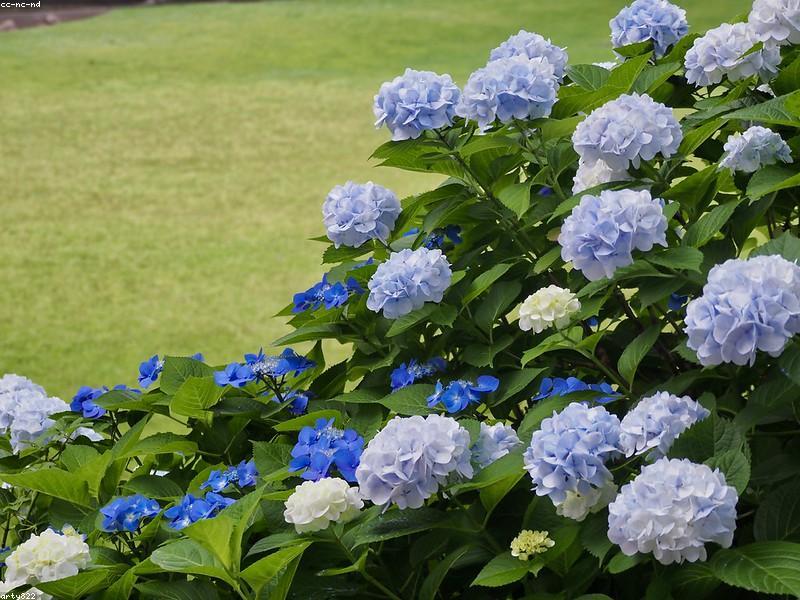
The Hydrangea (Hydrangea macrophylla) is a beloved garden classic known for its exuberant blooms and lush foliage. Often found gracing cottage gardens and suburban yards, these shrubs offer a vibrant display that can range from soft pastel pinks to deep blues, depending on the soil's pH. Hydrangeas are not just a feast for the eyes; they also introduce a sense of nostalgia and charm to any landscape, evoking memories of sun-dappled afternoons and the gentle hum of bees.
As summer unfolds, the Hydrangea's blooms mature, creating a splendid spectacle that captures the essence of the season. Their versatility extends beyond the garden; they're equally captivating in floral arrangements, providing a sumptuous texture and color. However, it's important to note that while these flowers are a joy to behold, they are mildly toxic to humans and more so to pets like cats, dogs, and horses due to cyanogenic glycosides.
How to identify Hydrangea
Look for these tell-tale features when identifying Hydrangea (Hydrangea macrophylla).
- Large, round flower heads composed of small, star-shaped blooms.
- Glossy, dark green leaves with serrated edges.
- Woody stems that are sturdy and often branched.
- Flowers that change color based on soil pH: pink in alkaline and blue in acidic soils.
- Typically grows between 3 to 6 feet tall, with a similar spread.
Hydrangea care guide
Everything Hydrangea needs to thrive, at a glance.
Morning sun with afternoon shade.
Water consistently; they are thirsty and wilt when dry.
Rich, moist, well-draining soil.
Temperate.
Moderate.
Feed in spring as growth begins.
Watering
Hydrangeas require consistently moist soil. Water deeply once a week, increasing frequency during dry spells to prevent wilting.
Light
They thrive in partial shade, though morning sun can enhance flowering. Avoid intense afternoon sun, which can scorch leaves.
Soil & repotting
Plant in rich, well-draining soil. Amend with compost annually to maintain fertility. Repot container plants every two years.
Temperature & humidity
Best grown in USDA zones 5-9. They prefer moderate humidity and can suffer in extreme temperatures, both hot and cold.
Feeding
Fertilize with a balanced, slow-release fertilizer in spring. Avoid over-fertilizing, which can lead to lush foliage but fewer blooms.
Pruning & grooming
Prune after flowering has finished. Remove dead or weak stems and shape the plant to maintain its form.
Is Hydrangea toxic to pets?
Hydrangeas contain cyanogenic glycosides. Leaves and flowers are toxic to cats, dogs, and horses, causing vomiting and lethargy, and can cause stomach upset in humans if eaten in quantity.
Common Hydrangea problems and fixes
Leaf scorch
Ensure the plant receives adequate water and is protected from harsh afternoon sun.
Powdery mildew
Increase air circulation and apply a fungicide if necessary. Avoid overhead watering.
Root rot
Ensure proper drainage and avoid overwatering. Amend soil with sand to improve drainage.
Aphids
Spray with insecticidal soap or introduce beneficial insects like ladybugs.
Yellowing leaves
Check soil pH and nutrient levels. Amend soil with iron supplements if necessary.
How to propagate Hydrangea
Hydrangeas can be propagated through cuttings, ideally taken in early summer. Select a healthy branch and cut a 4-6 inch section just below a node. Remove the lower leaves and dip the cut end in rooting hormone. Plant the cutting in a pot with a mixture of peat and perlite, and keep it in a warm, bright location out of direct sunlight. Maintain consistent moisture and cover with a plastic bag to increase humidity, which aids in root development. Roots should develop in 4-6 weeks, at which point the new plant can be potted up or planted outdoors.
Hydrangea uses and benefits
Hydrangeas are primarily valued for their ornamental beauty, gracing gardens and homes with their lush blooms. They serve as excellent border plants and thrive in group plantings, providing structure and color. While not typically used in culinary applications due to their mild toxicity, they hold symbolic significance in many cultures, often representing gratitude, grace, and abundance. Their presence can also support local ecosystems by attracting pollinators such as bees and butterflies.
Where Hydrangea comes from
The Hydrangea macrophylla is native to Japan, where it has been cherished for centuries. It was introduced to Europe in the 18th century and has since become a staple in gardens worldwide. The name 'Hydrangea' comes from the Greek words 'hydor,' meaning water, and 'angeion,' meaning vessel, referring to the plant's cup-shaped seed capsules. The variety of colors and forms has made Hydrangeas a favorite among gardeners and florists alike, with numerous cultivars developed over the years to enhance their beauty and adaptability.
Pro growing tips
- Test soil pH annually to adjust bloom color as desired.
- Mulch around the base to retain moisture and regulate soil temperature.
- Deadhead spent blooms to encourage new flowers and maintain appearance.
- Protect from harsh winds to prevent damage to the delicate flowers.
- In colder climates, cover with burlap in winter to protect from frost damage.
Got a plant you can't name?
Snap a photo and identify it free in seconds — with a full care guide and toxicity check like this one.
Identify your plantHydrangea FAQ
Get it on the go — the companion app
Identify plants offline, save your finds, and build a collection.