Hibiscus
Hibiscus rosa-sinensis
Tropical hibiscus is a showy flowering shrub with enormous, trumpet-shaped blooms and glossy foliage, evoking an instant tropical mood in gardens and patios.
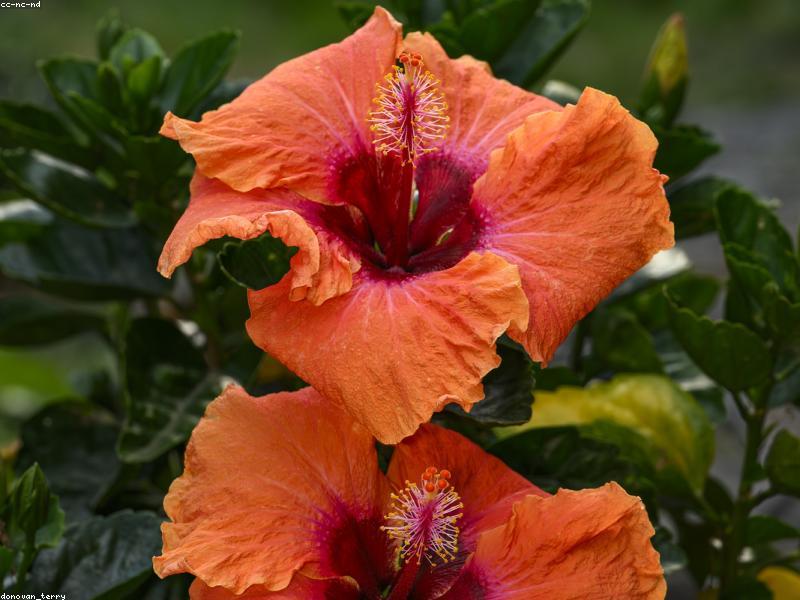
The Hibiscus (Hibiscus rosa-sinensis), with its flamboyant blooms and lush green foliage, is a tropical marvel that can instantly transport you to a sun-drenched paradise. Known for its large, trumpet-shaped flowers, this striking plant is a favorite among gardeners who crave a splash of color. Its blossoms, which come in an array of hues from fiery reds to soft pinks and sunny yellows, are not only visually captivating but also attract pollinators like hummingbirds and bees.
Growing Hibiscus in your garden or as a potted plant indoors can bring a touch of the tropics to your home. While it thrives in warm climates, it can also be a rewarding indoor plant if given the right care. With its ability to bloom profusely under the right conditions, the Hibiscus is a testament to nature's vibrant artistry.
How to identify Hibiscus
Look for these tell-tale features when identifying Hibiscus (Hibiscus rosa-sinensis).
- Large, trumpet-shaped flowers, often 4-6 inches in diameter.
- Glossy, dark green leaves with a serrated edge.
- Stems and branches are woody and may have a slightly reddish hue.
- Flowers have a prominent stigma and stamen that extend outward.
- Flowers come in various colors: red, pink, yellow, orange, and white.
Hibiscus care guide
Everything Hibiscus needs to thrive, at a glance.
Full sun for the best flowering.
Water regularly to keep soil evenly moist.
Rich, well-draining soil.
Warm; protect from frost.
Moderate to high.
Feed regularly with a bloom-boosting fertilizer.
Watering
Water your Hibiscus regularly, ensuring the soil remains moist but not waterlogged. During the growing season, it may require daily watering, especially in hot climates.
Light
Hibiscus plants thrive in full sun, needing at least 6 hours of direct sunlight daily. If grown indoors, place them near a south-facing window.
Soil & repotting
Use well-draining potting soil with organic matter for optimal growth. Repot annually in spring to refresh the soil and accommodate growth.
Temperature & humidity
Hibiscus prefers temperatures between 60-85°F. High humidity is beneficial; mist the leaves if indoor air is dry.
Feeding
Feed every two weeks during the growing season with a balanced liquid fertilizer to promote vibrant blooms.
Pruning & grooming
Prune in early spring to shape the plant and encourage bushier growth. Remove dead or diseased branches regularly.
Is Hibiscus toxic to pets?
Tropical hibiscus is generally considered non-toxic to cats and dogs, though eating large amounts may cause mild stomach upset. Some hibiscus relatives (such as Rose of Sharon) can be mildly toxic, so identify the species.
Common Hibiscus problems and fixes
Yellowing leaves
Ensure the plant is not overwatered and check for proper drainage.
Bud drop
Maintain consistent watering and avoid sudden changes in temperature.
Pests like aphids or spider mites
Use insecticidal soap or neem oil to treat infestations.
Leaf spots
Remove affected leaves and ensure good air circulation around the plant.
Failure to bloom
Ensure the plant receives enough sunlight and is not over-fertilized with nitrogen.
How to propagate Hibiscus
Hibiscus can be propagated through cuttings or seeds, though cuttings are the preferred method for faster results. To propagate via cuttings, select a healthy branch and cut a 4-6 inch section just below a leaf node. Remove leaves from the bottom half of the cutting and dip the cut end in rooting hormone. Plant the cutting in a pot with a well-draining soil mix and cover with a plastic bag to maintain humidity. Keep the soil moist and place it in a warm, bright location, but out of direct sunlight. Roots should develop in 6-8 weeks, after which the plant can be gradually acclimated to outdoor conditions or transplanted.
Hibiscus uses and benefits
Hibiscus is not just a feast for the eyes; it also holds cultural and ecological significance. Its flowers can be used to make a refreshing tea known for its tart flavor and potential health benefits, such as lowering blood pressure. Ecologically, Hibiscus flowers attract pollinators, supporting biodiversity in your garden. In many cultures, Hibiscus symbolizes delicate beauty, making it a popular choice for gardens and floral arrangements.
Where Hibiscus comes from
Hibiscus rosa-sinensis is native to Asia, particularly China and India, where it has been cultivated for centuries. Its journey across the globe has seen it become an emblem of tropical beauty in gardens worldwide. The plant's name, rosa-sinensis, translates to "rose of China," reflecting its origins and the admiration it has garnered through history. Today, it continues to be a beloved ornamental plant in tropical and subtropical regions.
Pro growing tips
- Use rainwater to avoid mineral buildup in the soil.
- If indoors, rotate the plant regularly to ensure even growth.
- Pinch back new growth to encourage a bushier form.
- Protect from cold drafts, as Hibiscus is sensitive to temperature changes.
- Mulch around the base to retain moisture and suppress weeds.
Got a plant you can't name?
Snap a photo and identify it free in seconds — with a full care guide and toxicity check like this one.
Identify your plantHibiscus FAQ
Get it on the go — the companion app
Identify plants offline, save your finds, and build a collection.