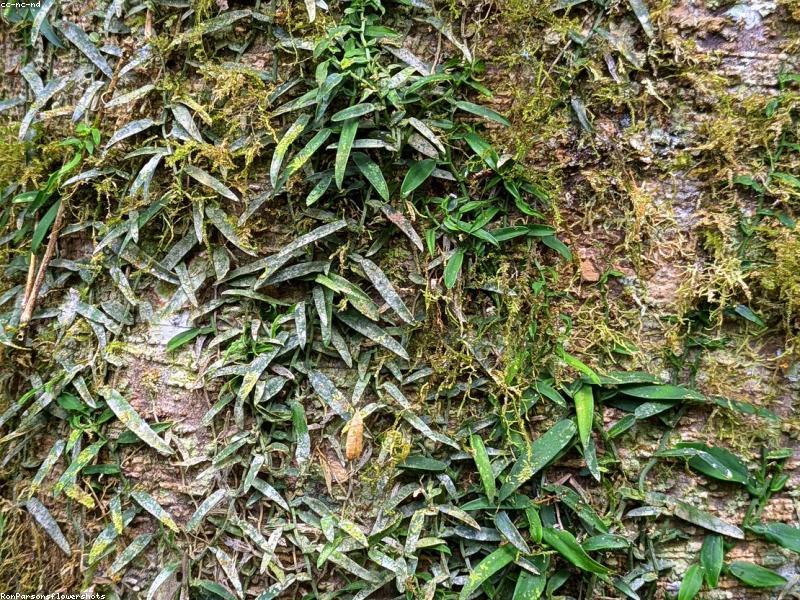
English Ivy
Hedera helix
English ivy is a classic trailing or climbing vine with lobed evergreen leaves, excellent for hanging baskets and topiary — but toxic, so keep it away from pets.
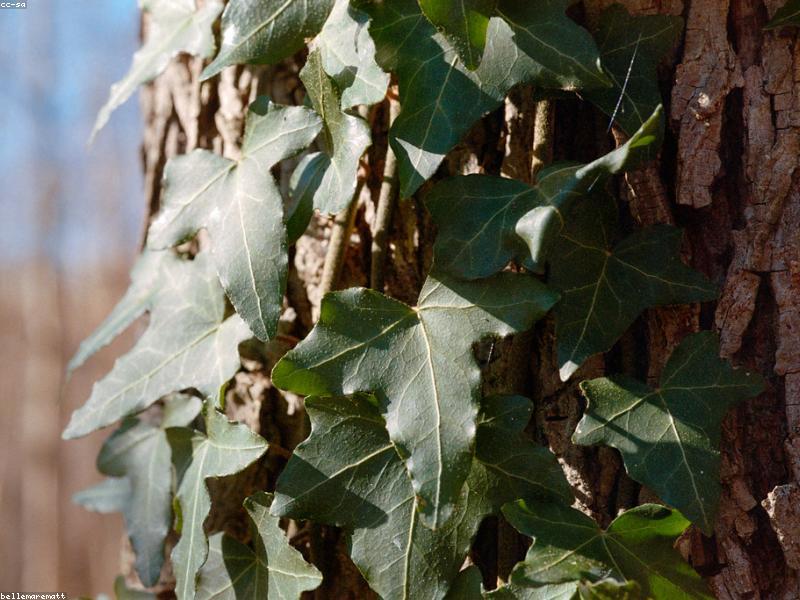
How to identify English Ivy
Look for these tell-tale features when identifying English Ivy (Hedera helix).
- Lobed, star-shaped evergreen leaves
- Trailing or climbing vines with aerial rootlets
- Often variegated cream-and-green foliage
English Ivy care guide
Everything English Ivy needs to thrive, at a glance.
Bright, indirect light; variegated types need more light.
Keep lightly moist; let the top dry slightly.
Well-draining potting mix.
10–21°C (50–70°F); likes it cooler.
Prefers moderate to high humidity.
Feed monthly in spring and summer.
Is English Ivy toxic to pets?
Contains triterpenoid saponins. Ingestion causes vomiting, drooling, and abdominal pain in pets; foliage can also irritate human skin (contact dermatitis).
Common English Ivy problems and fixes
- Spider mites in dry indoor air
- Leaf drop from heat or dryness
- Loss of variegation in low light
How to propagate English Ivy
Root stem cuttings readily in water or soil.
Fun facts
- Can climb via tiny adhesive rootlets.
- A strong indoor air-purifier in studies.
Got a plant you can't name?
Snap a photo and identify it free in seconds — with a full care guide and toxicity check like this one.
Identify your plantEnglish Ivy FAQ
Get it on the go — the companion app
Identify plants offline, save your finds, and build a collection.