Clover
Trifolium
Clover is a low, spreading legume with characteristic three-part leaves and rounded flower heads. It enriches soil and is increasingly popular as an eco-friendly lawn.
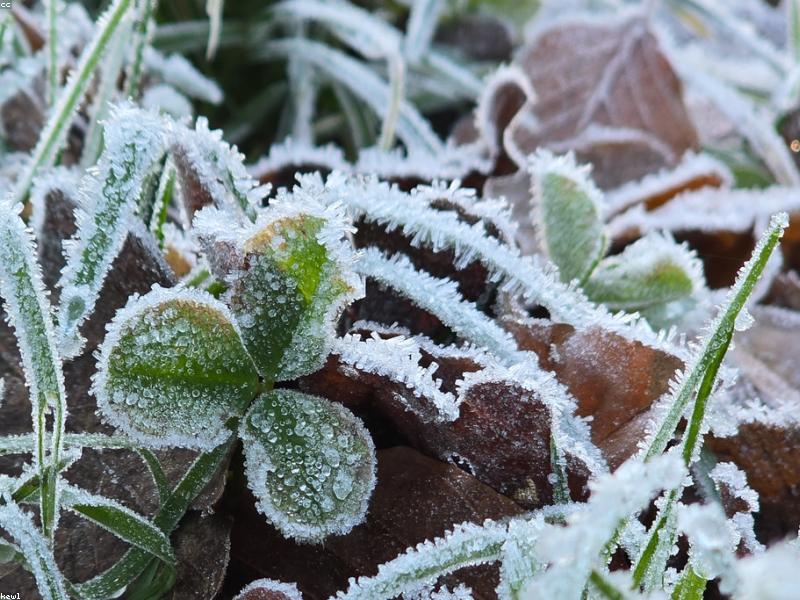
Clover, known scientifically as Trifolium, is a charming and versatile plant that graces both wild meadows and cultivated gardens. Its trifoliate leaves and delicate flowers are not only a sight to behold but also serve as a symbol of luck and prosperity in many cultures. With over 300 species, clover offers a variety of shapes, sizes, and hues that can adapt to different environments, making it a favorite among gardeners and herbalists alike.
Beyond its aesthetic appeal, clover plays a crucial role in ecosystems as a nitrogen fixer, enriching the soil and benefiting neighboring plants. Its resilience and adaptability allow it to thrive in diverse conditions, from sunny lawns to shaded woodland edges. Whether you're cultivating it for its ecological benefits or simply to add a touch of emerald green to your garden, clover is a plant that rewards its caretakers generously.
How to identify Clover
Look for these tell-tale features when identifying Clover (Trifolium).
- Trifoliate leaves, typically with three leaflets per leaf.
- Small, rounded flower heads, usually white, pink, or red.
- Leaves often have a characteristic pale crescent or "V" shape on each leaflet.
- Stems are thin, slightly hairy, and can spread horizontally.
- Plant height ranges from 4 to 12 inches, depending on species.
Clover care guide
Everything Clover needs to thrive, at a glance.
Full sun to partial shade.
Moderate.
Tolerates poor soils; fixes its own nitrogen.
Wide range.
Any.
None; it feeds the soil.
Watering
Clover prefers consistent moisture but can tolerate short dry spells. Water deeply once a week during dry periods to maintain healthy growth.
Light
Clover thrives in full sun but can tolerate partial shade. Aim for at least 4-6 hours of direct sunlight daily for optimal flowering.
Soil & repotting
Clover grows best in well-draining, loamy soil with a neutral to slightly acidic pH. It rarely requires repotting when grown in gardens or lawns.
Temperature & humidity
It prefers temperate climates and can tolerate a range of temperatures, from 50°F to 85°F. Clover is not fussy about humidity but grows best in moderate conditions.
Feeding
Clover is a natural nitrogen fixer and generally does not need additional fertilization. However, a light application of compost in spring can boost growth.
Pruning & grooming
Regular mowing of clover lawns is beneficial, as it helps control its spread and encourages bushier growth. Deadhead flowers to prevent unwanted seeding.
Is Clover toxic to pets?
Clover is generally non-toxic and safe. Eating very large amounts may cause mild bloating or upset in pets, and rare photosensitivity in grazing livestock.
Common Clover problems and fixes
Yellowing leaves.
Ensure proper drainage and avoid overwatering. Amend soil with compost if needed.
Powdery mildew on leaves.
Improve air circulation and avoid overhead watering. Apply a fungicide if necessary.
Poor growth.
Check soil pH and nutrient levels. Amend with lime or fertilizer as needed.
Insect infestations (e.g., aphids).
Introduce beneficial insects like ladybugs or use insecticidal soap.
Weed competition.
Maintain a healthy lawn by mowing regularly and overseeding with clover to outcompete weeds.
How to propagate Clover
Clover is easily propagated through seeds or division. To start from seed, sow directly outdoors in early spring or fall, as clover seeds require a period of cold stratification to germinate. Prepare the soil by loosening it and removing any weeds or debris. Scatter the seeds evenly across the soil surface and lightly rake them in to ensure good soil contact. Keep the soil consistently moist until germination, which typically occurs within 7 to 14 days. For division, dig up an established clover patch and gently separate the plants, ensuring each section has roots attached. Replant the divisions at the same depth they were growing before and water well.
Clover uses and benefits
Clover is more than just a lucky charm; it offers a range of benefits. As a ground cover, it reduces weeds and erosion, while its nitrogen-fixing ability improves soil fertility. In culinary circles, clover flowers can be used in teas and salads, adding a mild, sweet flavor. Ecologically, it provides nectar for bees and other pollinators, supporting biodiversity. Its symbolic association with luck and prosperity makes clover a favored motif in art and jewelry.
Where Clover comes from
Clover is native to temperate regions of Europe, Asia, and North America. It has a long history of cultivation, valued for its ability to enrich soil and provide forage for livestock. The plant's name, Trifolium, refers to its characteristic three-leaflet structure, which has been a symbol of the Holy Trinity in Christian tradition and a good luck charm in various cultures. Over time, clover has been naturalized in many parts of the world, thriving in a variety of habitats from grasslands to forest edges.
Pro growing tips
- Sow clover seeds in early spring or fall for best germination results.
- Mow clover lawns regularly to encourage dense growth and prevent flowering.
- Mix clover with grass seeds for a lush, green lawn that requires less fertilizer.
- Use clover as a cover crop to improve soil fertility in vegetable gardens.
- Ensure good air circulation to prevent fungal diseases like powdery mildew.
Got a plant you can't name?
Snap a photo and identify it free in seconds — with a full care guide and toxicity check like this one.
Identify your plantClover FAQ
Get it on the go — the companion app
Identify plants offline, save your finds, and build a collection.