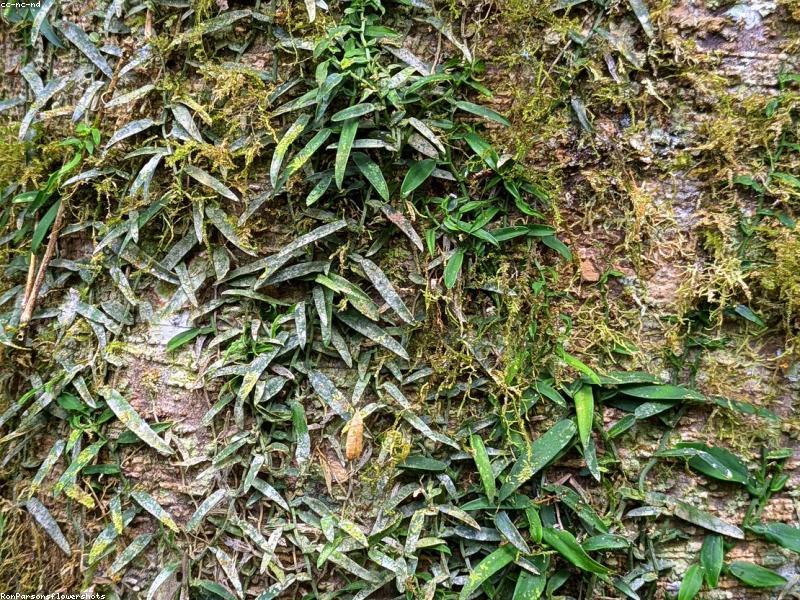
Cactus
Cactaceae
Cacti are a family of succulents native to the Americas, defined by specialized structures called areoles that bear their spines. They are supremely drought-adapted and long-lived.
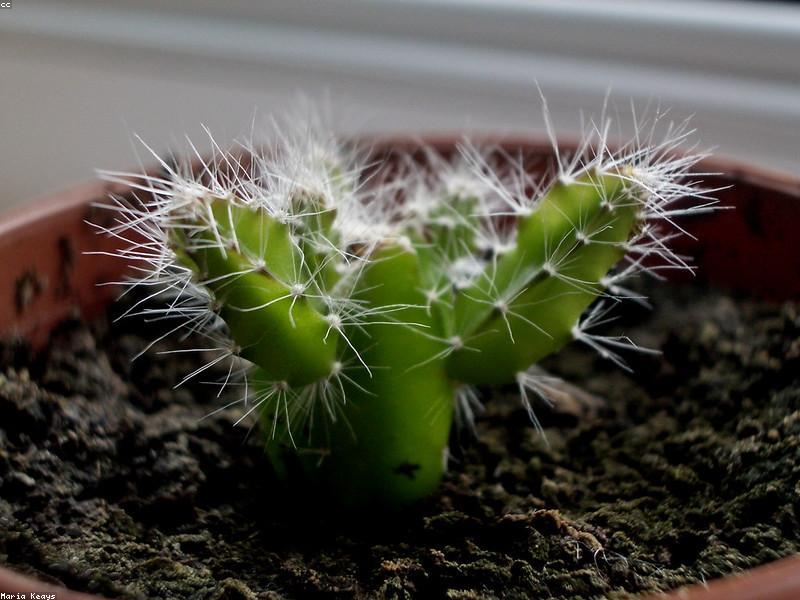
The Cactaceae family, commonly known as cacti, offers a tapestry of visual intrigue and resilience, thriving in some of the harshest environments on Earth. These remarkable plants are not just desert dwellers; they bring a touch of arid elegance to homes and gardens worldwide. With their unique ability to store water, cacti symbolize endurance and adaptability, making them a perfect choice for both novice and experienced gardeners alike.
Cacti are celebrated for their striking architectural forms, ranging from the towering saguaro to the diminutive pincushion. Their spiny defenses and often vibrant blooms provide a captivating contrast. While generally non-toxic to pets, it's important to note that their spines and glochids can cause physical injury. These plants invite both admiration and caution, adding a sculptural element to any space they inhabit.
How to identify Cactus
Look for these tell-tale features when identifying Cactus (Cactaceae).
- Thick, fleshy stems adapted for water storage.
- Presence of spines or glochids instead of leaves.
- Variety of shapes, including columnar, spherical, and flat forms.
- Areoles from which spines, flowers, and branches grow.
- Often vibrant flowers that bloom directly from the areoles.
Cactus care guide
Everything Cactus needs to thrive, at a glance.
Very bright light with direct sun.
Water only when soil is bone dry; keep nearly dry in winter.
Very gritty, sharply draining mineral mix.
18-29°C (65-84°F); tolerates heat.
Low humidity preferred.
Feed lightly a couple of times in summer.
Watering
Cacti prefer infrequent, deep watering. Allow the soil to dry out completely between waterings, especially in the dormant winter months.
Light
Provide bright, direct sunlight for at least four to six hours a day. South-facing windows are ideal for indoor cacti.
Soil & repotting
Use a well-draining cactus mix, often supplemented with sand or perlite. Repot every two to three years to refresh soil and accommodate growth.
Temperature & humidity
Cacti thrive in warm temperatures, ideally between 70-90°F. They prefer low humidity, mimicking desert conditions.
Feeding
Feed cacti with a cactus-specific fertilizer during the growing season, typically from spring to early fall, at half strength every four to six weeks.
Pruning & grooming
Pruning is minimal; remove dead or damaged sections with clean, sharp tools to maintain appearance and health.
Is Cactus toxic to pets?
Cacti are generally non-toxic to cats and dogs, but their spines and tiny barbed glochids can cause painful physical injury to mouths, paws, and skin.
Common Cactus problems and fixes
Root rot due to overwatering.
Ensure proper drainage and allow soil to dry out completely between waterings.
Pest infestations such as mealybugs or spider mites.
Treat with insecticidal soap or neem oil and isolate affected plants.
Sunburn from excessive direct sunlight.
Gradually acclimate cacti to intense light and provide shade during peak sun hours.
Etiolation, or stretching, due to insufficient light.
Move the cactus to a brighter location to encourage compact growth.
Glochid irritation on skin.
Wear gloves when handling and use tweezers to remove any stuck glochids.
How to propagate Cactus
Cacti can be propagated through cuttings, offsets, or seeds. For cutting propagation, select a healthy segment and let it dry until a callus forms over the cut surface, usually one to two weeks. Plant the callused end into a well-draining cactus mix, and water sparingly until roots develop. Offsets, or pups, can be gently removed and planted in their own pots following the same method. Seed propagation is more time-consuming but rewarding, requiring a warm, light-filled environment to germinate.
Cactus uses and benefits
Cacti are more than just decorative; they play significant roles in ecology and culture. In arid landscapes, they provide essential habitats and food sources for wildlife. Certain species, like the prickly pear, offer edible pads and fruits rich in nutrients, used in various culinary dishes. Cacti also serve symbolic purposes, representing endurance and resilience, and can improve air quality by absorbing carbon dioxide and releasing oxygen, even at night.
Where Cactus comes from
Cacti are native to the Americas, spanning from Patagonia in South America to parts of British Columbia in North America. They have evolved over millions of years to thrive in diverse environments, from deserts to rainforests. The family Cactaceae is believed to have originated in the late Cretaceous period, with its members adapting unique features to survive extreme climates. European explorers first encountered cacti during their travels to the New World, leading to their introduction in Europe as exotic novelties.
Pro growing tips
- Always use gloves when handling to avoid injury from spines and glochids.
- Rotate indoor cacti regularly to ensure even light exposure and prevent leaning.
- Water less frequently in cooler months to mimic natural growth cycles.
- Use clay pots for better drainage and root aeration.
- Start with smaller cactus species if you're new to growing them.
Got a plant you can't name?
Snap a photo and identify it free in seconds — with a full care guide and toxicity check like this one.
Identify your plantCactus FAQ
Get it on the go — the companion app
Identify plants offline, save your finds, and build a collection.