Boston Fern
Nephrolepis exaltata
The Boston fern is a lush, arching classic with feathery fronds, beloved for hanging baskets. It is pet-safe but loves humidity and consistent moisture.
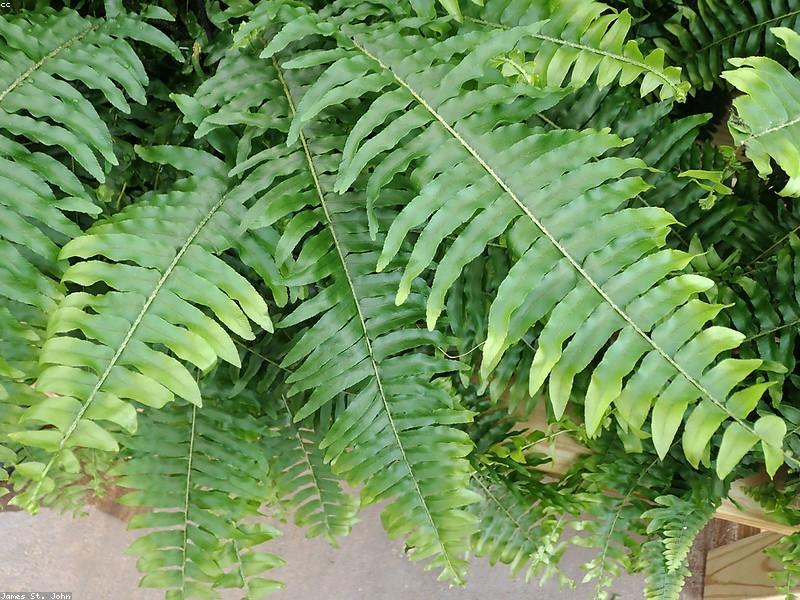
The Boston Fern (Nephrolepis exaltata) is a verdant cascade of lush, arching fronds that can transform any space into a green sanctuary. Originating from the humid forests of the tropics, this fern's graceful appearance and low-maintenance nature make it a beloved choice for indoor gardeners. Its feathery fronds not only add a touch of elegance to any room but also help purify the air, making it a practical and aesthetic choice for homes and offices alike.
Known for its resilience and adaptability, the Boston Fern thrives in conditions that mimic its native habitat. While it prefers humidity and indirect light, it is forgiving of less-than-ideal environments, endearing it to both novice plant parents and seasoned horticulturists. With proper care, this fern can flourish year-round, offering a perpetual display of natural beauty.
How to identify Boston Fern
Look for these tell-tale features when identifying Boston Fern (Nephrolepis exaltata).
- Long, arching fronds that can grow up to 3 feet in length.
- Leaflets are small, lance-shaped, and finely toothed along the edges.
- Fronds have a bright green color that deepens with age.
- The plant forms a dense, bushy clump with a slight spread.
- Rhizomes are shallow, allowing the plant to spread easily across the surface.
Boston Fern care guide
Everything Boston Fern needs to thrive, at a glance.
Bright, indirect light; no direct sun.
Keep consistently moist, never soggy.
Rich, moisture-retentive mix.
16–24°C (60–75°F).
High humidity is essential.
Feed lightly monthly in the growing season.
Watering
Keep the soil consistently moist but not soggy. Water when the top inch of soil feels dry, and mist regularly to maintain humidity.
Light
Prefers bright, indirect light but can tolerate partial shade. Avoid direct sunlight to prevent leaf scorch.
Soil & repotting
Use a well-draining potting mix rich in organic matter. Repot every two years or when roots become crowded.
Temperature & humidity
Thrives in temperatures between 60-75°F and high humidity. Avoid cold drafts and sudden temperature changes.
Feeding
Feed monthly during the growing season with a balanced, water-soluble fertilizer. Reduce feeding in the fall and winter.
Pruning & grooming
Trim off dead or yellowing fronds at the base to encourage new growth. Regular pruning helps maintain shape and vigor.
Is Boston Fern toxic to pets?
Non-toxic and safe for cats, dogs, and children.
Common Boston Fern problems and fixes
Yellowing fronds
Increase humidity and check watering schedule to ensure soil is not drying out.
Brown leaf tips
Increase humidity and avoid using tap water with high chlorine content.
Wilting or drooping fronds
Check for root rot from overwatering or ensure the plant is not root-bound.
Pest infestation (e.g., spider mites)
Wipe fronds with a damp cloth and use insecticidal soap if necessary.
Stunted growth
Ensure the plant is receiving adequate light and nutrients, and consider repotting if root-bound.
How to propagate Boston Fern
Boston Ferns are typically propagated through division. In spring, gently remove the plant from its pot and identify natural separations in the root ball. Using a sharp knife, divide the plant into sections, ensuring each has a portion of the root system and healthy fronds. Replant each division in fresh, well-draining potting mix. Water thoroughly and place in a humid environment to encourage new growth. Propagation by division is not only an effective way to multiply your ferns but also rejuvenates the parent plant.
Boston Fern uses and benefits
The Boston Fern is celebrated for its air-purifying abilities, effectively removing pollutants such as formaldehyde and xylene from indoor environments. Its lush greenery adds a decorative touch to homes and offices, making it a popular choice for hanging baskets and planters. Additionally, its non-toxic nature makes it a safe option for homes with pets and children. Beyond its aesthetic appeal, the Boston Fern contributes to the ecological balance by maintaining air quality and offering shelter for small insects in its native habitats.
Where Boston Fern comes from
Native to the tropical regions of the Americas, the Boston Fern was first popularized in the 19th century. Its journey from the wild to Victorian parlors began when it was discovered growing luxuriantly in the swamps and forests of Florida. Its striking foliage captured the attention of horticulturists, leading to its introduction in Europe and beyond. Today, it is a staple in homes around the world, admired for its beauty and resilience.
Pro growing tips
- Mist regularly to simulate the fern's natural humid environment.
- Place in a bathroom or kitchen where humidity is naturally higher.
- Rotate the plant occasionally to ensure even growth on all sides.
- Avoid letting the soil dry out completely to prevent stress.
- Use rainwater or distilled water to avoid leaf tip browning.
Got a plant you can't name?
Snap a photo and identify it free in seconds — with a full care guide and toxicity check like this one.
Identify your plantBoston Fern FAQ
Get it on the go — the companion app
Identify plants offline, save your finds, and build a collection.