Bird of Paradise
Strelitzia reginae
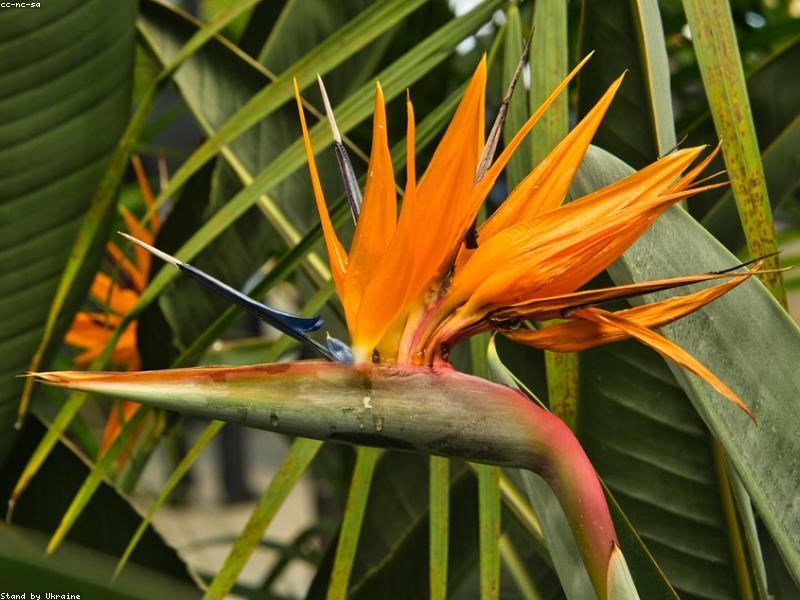
The bird of paradise is a bold tropical with large paddle-shaped leaves and, when mature, striking orange-and-blue crane-like flowers.
How to identify Bird of Paradise
Look for these tell-tale features when identifying Bird of Paradise (Strelitzia reginae).
- Large, banana-like paddle leaves
- Long upright petioles from a fan-shaped base
- Distinctive crane-shaped orange/blue flowers when mature
Bird of Paradise care guide
Everything Bird of Paradise needs to thrive, at a glance.
Bright light with several hours of direct sun.
Keep evenly moist in summer; let the top dry between waterings.
Rich, well-draining mix.
18–27°C (65–81°F).
Moderate to high humidity.
Feed regularly (every 2–3 weeks) in the growing season.
Is Bird of Paradise toxic to pets?
The flowers and seeds are toxic to cats and dogs, causing mild nausea, drowsiness, and GI upset. Considered largely non-toxic to humans.
Common Bird of Paradise problems and fixes
- Split leaves (normal adaptation to wind)
- Brown edges from low humidity
- No blooms until the plant is several years old
How to propagate Bird of Paradise
Divide the rhizome of a mature clump.
Fun facts
- The flower resembles a tropical bird in flight.
- Needs plenty of light to bloom — rare indoors.
Got a plant you can't name?
Snap a photo and identify it free in seconds — with a full care guide and toxicity check like this one.
Identify your plantBird of Paradise FAQ
Get it on the go — the companion app
Identify plants offline, save your finds, and build a collection.