Aloe Vera
Aloe barbadensis miller
Aloe vera is a hardy succulent with thick, gel-filled leaves long used to soothe burns. It is a sun-loving, drought-tolerant windowsill classic.
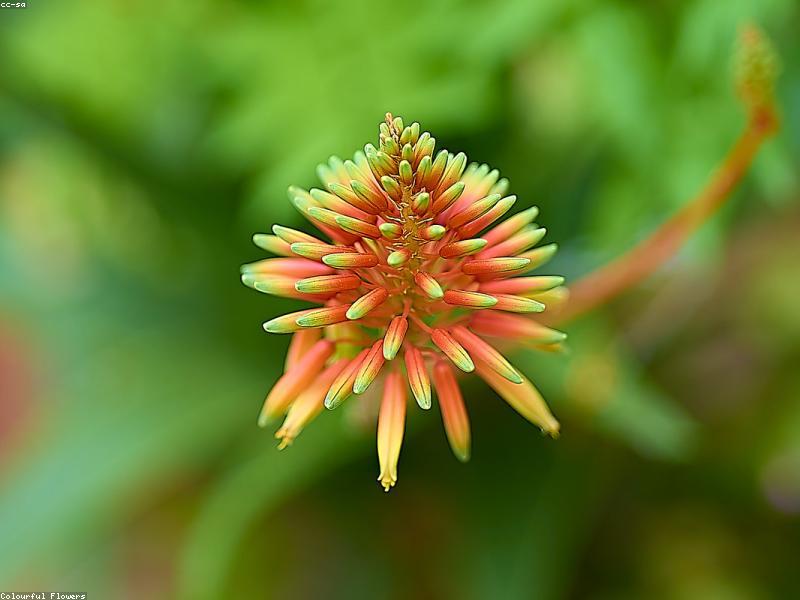
Aloe Vera, scientifically known as Aloe barbadensis miller, is a resilient succulent that has found its way into homes and hearts around the world. Known for its fleshy, spear-like leaves that cradle soothing gel, this plant is both a practical and ornamental addition to any space. Aloe Vera thrives with minimal care, making it a favorite among both novice and seasoned plant enthusiasts. Beyond its aesthetic appeal, the gel within its leaves is celebrated for its healing properties, providing relief for skin irritations and burns.
With a history steeped in medicinal lore, Aloe Vera is more than just a pretty face. Revered in ancient cultures, its reputation as a "plant of immortality" still resonates today. However, while Aloe Vera gel is beneficial for humans, it's essential to keep this plant out of reach of pets, as the latex can be toxic to cats and dogs.
How to identify Aloe Vera
Look for these tell-tale features when identifying Aloe Vera (Aloe barbadensis miller).
- Fleshy, pale green leaves with serrated edges.
- Rosette pattern, with leaves growing outward from the center.
- Leaves can grow up to 24 inches long and 4 inches wide.
- Small, tubular yellow flowers on tall spikes during bloom season.
- Thick, translucent gel inside the leaves.
Aloe Vera care guide
Everything Aloe Vera needs to thrive, at a glance.
Bright light with some direct sun.
Water deeply but infrequently; let soil dry fully.
Gritty cactus/succulent mix.
13–27°C (55–81°F).
Prefers dry air.
Feed once or twice a year with diluted succulent food.
Watering
Water Aloe Vera sparingly, allowing the soil to dry completely between waterings. Overwatering can lead to root rot, so less is more with this succulent.
Light
Aloe Vera thrives in bright, indirect sunlight. Direct sunlight can scorch its leaves, especially in hotter climates, whereas too little light can stunt its growth.
Soil & repotting
Use a well-draining cactus or succulent mix to prevent water from sitting in the roots. Repotting every 2-3 years is sufficient, or when the plant outgrows its container.
Temperature & humidity
Aloe Vera prefers temperatures between 55°F and 80°F. It can tolerate dry air but should be protected from frost and freezing temperatures.
Feeding
Feed Aloe Vera with a diluted, balanced fertilizer during the growing season, typically every 4-6 weeks. Avoid fertilizing in winter when growth slows.
Pruning & grooming
Prune any brown or damaged leaves at the base with clean, sharp scissors. This encourages healthy new growth and keeps the plant looking tidy.
Is Aloe Vera toxic to pets?
The latex layer contains saponins and anthraquinones toxic to cats and dogs (vomiting, lethargy). The inner gel is used topically by humans, but the whole leaf should be kept from pets.
Common Aloe Vera problems and fixes
Root rot
Ensure the soil is well-draining and allow it to dry out completely between waterings.
Leaf browning
Move the plant to a spot with less direct sunlight and ensure it's not overwatered.
Pests like aphids or mealybugs
Wipe the leaves with a damp cloth or use a mild insecticidal soap to remove pests.
Slow growth
Ensure the plant is receiving enough light and consider feeding it during the growing season.
Leaf curling
Check for signs of underwatering or lack of nutrients and adjust care accordingly.
How to propagate Aloe Vera
Aloe Vera is easily propagated through offsets, also known as "pups." Carefully remove the pup from the mother plant, ensuring it has its own root system. Allow the pup to dry for a few days to form a callus over any cuts. Once dried, plant it in a small pot filled with well-draining succulent soil. Water sparingly until the plant establishes itself. Ensure it receives bright, indirect light to encourage growth. This method is both simple and effective, allowing you to expand your Aloe collection or share with friends.
Aloe Vera uses and benefits
Aloe Vera is prized for its myriad uses and benefits. Its gel is a natural remedy for burns and skin irritations, making it a staple in many households. This versatile plant also serves a decorative purpose, adding a touch of green to indoor spaces with its unique rosette structure. Furthermore, Aloe Vera is known for its air-purifying qualities, helping to cleanse the air of toxins. Its symbolic significance as a plant of healing and protection adds an extra layer of appeal, making it a cherished addition to any home.
Where Aloe Vera comes from
Native to the arid regions of the Arabian Peninsula, Aloe Vera has a rich history that spans centuries. It has been cultivated for its medicinal properties since ancient times, finding a place in the traditional medicine cabinets of Egypt, Greece, and China. Revered as a "plant of immortality," it was often included in burial rituals and used to treat various ailments. Today, Aloe Vera's legacy continues as it is cultivated globally, beloved for its easy care and beneficial uses.
Pro growing tips
- Avoid overwatering; let the soil dry out completely before the next watering.
- Place Aloe Vera in bright, indirect light to ensure healthy growth.
- Use a pot with drainage holes to prevent water from accumulating.
- Keep Aloe away from cold drafts and frost to avoid damage.
- Trim any dead leaves to encourage new growth and maintain plant health.
Got a plant you can't name?
Snap a photo and identify it free in seconds — with a full care guide and toxicity check like this one.
Identify your plantAloe Vera FAQ
Get it on the go — the companion app
Identify plants offline, save your finds, and build a collection.